Find another title
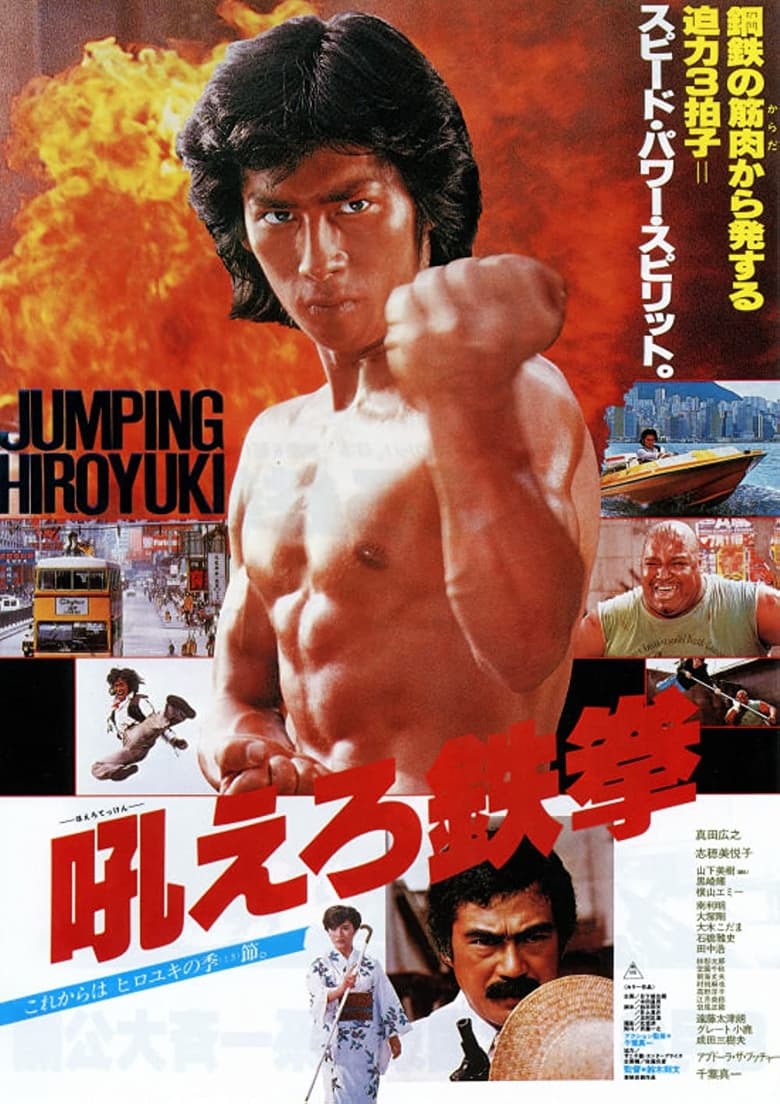
Roaring Fire
1981
RDirector
Norifumi Suzuki
Runtime
98 minutes
Average Rating
No ratings yetSynopsis
On his death bed the man who raised Joji reveals that he is not his real father and that Joji’s real parents died tragically in a plane crash. Shortly thereafter Joji goes to Japan is search of his sister and his twin brother Toru. Joji’s quickly finds his sister Chihiro who is now blind and lives with their uncle. Joji one evening accidently over hears his uncle who has ties to the criminal underworld discussing his various illegal operations. Joji ‘s eavesdropping is discovered by his uncle who offers him a chance to join the organization. Joji promptly turns his uncle’s offer down which immediately puts his life in danger.
Where to Watch
Diversity & Representation
Overall Score
Limited
Category Breakdown
LGBTQ+ Representation
The film lacks LGBTQ+ characters or narratives that critique heteronormativity. It follows a conventional masculine plot centered on familial lineage and criminal conflict.
Gender Representation
Male agency drives the narrative through Joji's journey. Female characters like Chihiro are defined by vulnerability and their relationships to men rather than independent agency.
Racial & Ethnic Diversity
The production is a culturally homogeneous Japanese story. It avoids racial stereotypes but does not utilize diverse casting to challenge the status quo.
Religious & Cultural Diversity
The story explores traditional themes of familial duty and underworld honor. It operates within established yakuza genre frameworks rather than offering systemic critiques.
Disability Representation
Chihiro is depicted with blindness, which serves as a significant plot driver. However, she risks functioning as a narrative device rather than a fully realized individual.
Strengths
- The film provides a focused exploration of traditional Japanese underworld themes and familial honor.
- It features a central character with a visual disability that drives the narrative forward.
Areas for Improvement
- The narrative relies heavily on male agency, leaving female characters in roles defined by vulnerability.
- The story lacks LGBTQ+ representation and diverse casting to challenge social norms.
- Disability is used primarily as a plot catalyst rather than a means of exploring character agency.
AI Analysis
Roaring Fire is a traditionalist action drama that prioritizes masculine-driven plot progression and established genre conventions. The narrative focuses heavily on male agency and the complexities of the yakuza underworld, leaving little room for diverse perspectives. While the film includes a character with a disability, the role appears to serve the protagonist's journey rather than providing independent agency. The cultural framework remains strictly within the homogeneous social structures of 1980s Japanese crime cinema. Ultimately, the film adheres to the archetypes of its era. It lacks the intentionality needed to disrupt social hierarchies, resulting in a story rooted in conventional roles and traditional familial structures.
Rate this Movie
Reviews
No reviews yet. Be the first to share your thoughts on this movie!
Use the rating form above to leave a star rating and optional review.