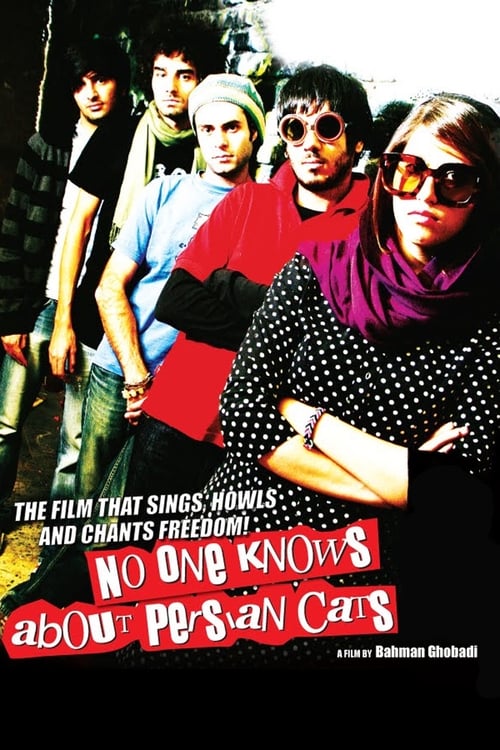
No One Knows About Persian Cats
2009
No user ratings available yet
Representation score: 4.4 out of 10

Representation Score
Good
2006
Director
Bahman Ghobadi
Runtime
108 minutes
Average Rating
No ratings yetNew Showbiz Analysis
Half Moon is a profound exploration of Kurdish identity that disrupts patriarchal stability. By centering a musical quest that defies state borders and gendered prohibitions, the film functions as a study of post-colonial ability to act. The narrative excels in its ethnic specificity and its critique of systemic oppression. It frames the preservation of Kurdish music as a vital act of rebellion against the limitations imposed by centralized authority. While the film lacks queer visibility, it succeeds in deconstructing gendered and ethnic hierarchies. It provides a rare, authentic look at a underrepresented community's fight for autonomy.
Category Breakdown
The film does not include explicit LGBTQ+ characters or non-straight relationships. It focuses on ethnic and gender struggles within a specific region without using derogatory stereotypes.
The story challenges traditional gender roles by centering Hesho, a female singer. Her presence defies socio-legal prohibitions against Iranian women performing publicly, showing that she is not passive.
Ghobadi provides exceptional ethnic specificity by using an almost exclusively Kurdish cast. This highlights Kurdish identity and offers a deep look into the struggles of a underrepresented group.
The film portrays the struggle for cultural survival through music as resistance against identity erasure. It critiques how state borders and traditional institutions impede communal ability to act.
There are no prominent depictions of physical or neurodivergent disabilities that drive the narrative.
Present on Screen
Limited or Absent
Official Synopsis
Mamo, an old and legendary Kurdish musician living in Iran, plans to give one final concert in Iraqi Kurdistan. After seven months of trying to get a permit and rounding up his ten sons, he sets out for the long and troublesome journey in a derelict bus, denying a recurring vision of his own death at half moon. Halfway the party halts at a small village to pick up female singer Hesho, which will only add to the difficulty of the undertaking, as it is forbidden for Iranian women to sing in public, let alone in the company of men. But Mamo is determined to carry through, if not for the gullible antics of the bus driver.
2009

2018

2016
1989
2009
1999
2009
2020
No reviews yet. Be the first to share your thoughts on this movie!
Use the rating form above to leave a star rating and optional review.