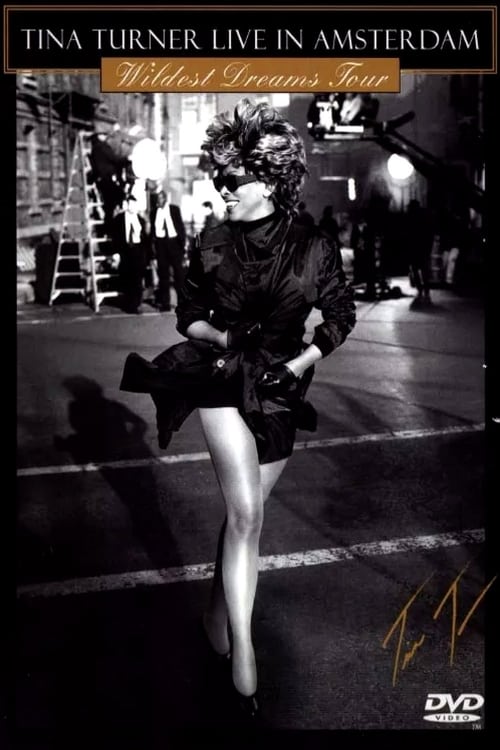
Tina Turner: Live In Amsterdam - Wildest Dreams Tour
1996
No user ratings available yet
Representation score: 5.9 out of 10

Representation Score
Fair
2000
Director
David Mallet
Runtime
150 minutes
Average Rating
No ratings yetNew Showbiz Analysis
This concert film celebrates musical heritage and the cultural significance of Elton John. The presence of a prominent LGBTQ+ figure in a major, mainstream setting provides important visibility. The inclusion of diverse guest artists like Mary J. Blige and Anastacia adds essential racial and genre-based variety. This prevents the show from being a monolithic presentation of Western pop. However, the film remains a product of high-capitalist entertainment standards. It prioritizes the spectacle of stardom over any meaningful social critique or deep exploration of identity issues.
Category Breakdown
The film focuses on Elton John, a key LGBTQ+ icon, whose presence helps normalize LGBTQ+ visibility in a mainstream context. His performance celebrates non-traditional gender identities.
The production includes talented female vocalists such as Mary J. Blige and Anastacia, but the main focus is on a single male protagonist. Gender dynamics are professional but don't deeply explore gender roles.
Artists like Mary J. Blige and Anastacia bring significant racial diversity to the film. Their performances blend R&B and soul, preventing the music from being solely Anglo-centric.
The concert highlights the prestige of Western musical traditions and the grandeur of celebrity. It operates within a framework of celebratory stardom without offering deeper cultural critiques.
There are no central depictions of physical or neurodivergent disabilities that play a key role in the performance or narrative.
Present on Screen
Limited or Absent
Official Synopsis
One of the biggest musical legends in pop music today, Elton John performs one of his most memorable concerts ever at the world famous Madison Square Garden in New York City. This stunningly visual concert special was filmed over two nights in October 2000, and Elton and his band play some of his greatest hits from over four decades, including "Your Song", "Crocodile Rock", "Candle In The Wind" and "Rocket Man". Elton also invites some special guests to share the microphone on stage with him, among them Billy Joel, Bryan Adams, Kiki Dee, Mary J. Blige and Anastacia. You've never seen Elton like this before... a "must see" and a "must have" for any true Elton fan.
1996

2011

2014

2005

1995
2004

2008
2007
No reviews yet. Be the first to share your thoughts on this movie!
Use the rating form above to leave a star rating and optional review.