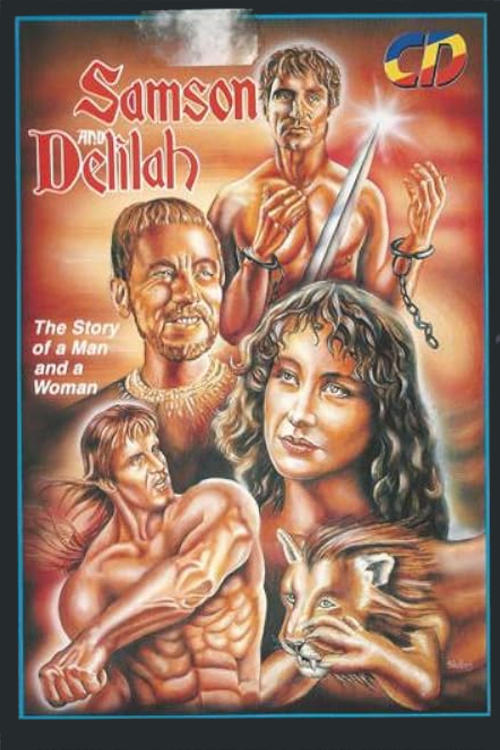
Samson and Delilah
1984
No user ratings available yet
Diversity score: 3.0 out of 10
1989
Director
Michael Schultz
Runtime
94 minutes
Average Rating
No ratings yetSynopsis
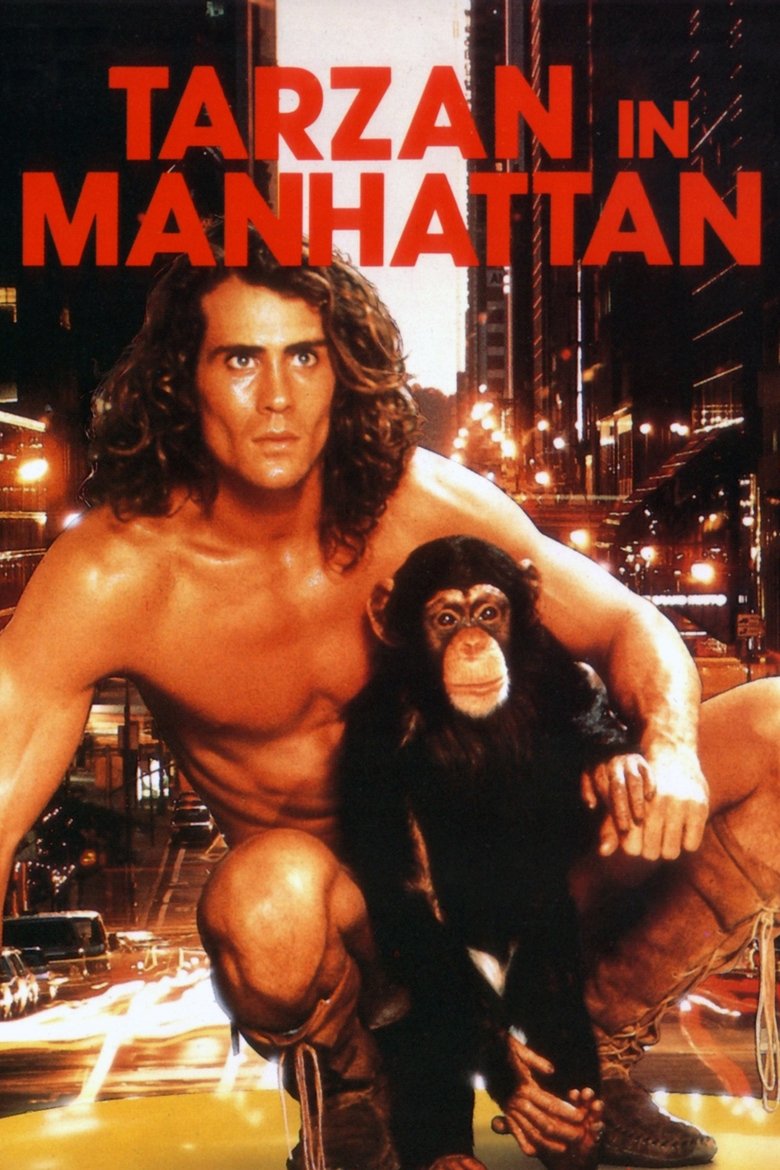
The ape man flies to New York, where cabby Jane and her father help him rescue Cheetah from a madman.
Overall Score
Limited
Category Breakdown
LGBTQ+ Representation
The film lacks LGBTQ+ characters or non-heteronormative identities. Romantic dynamics are strictly centered on the heteronormative relationship between Tarzan and Jane.
Gender Representation
Jane is reimagined as an independent cab driver with professional autonomy. While she possesses more agency than traditional versions, Tarzan remains the primary physical driver of the plot.
Racial & Ethnic Diversity
The Manhattan setting presents a largely homogeneous social sphere. The narrative lacks significant racial diversity or intentional efforts to disrupt historical casting norms.
Religious & Cultural Diversity
The story uses a nature versus civilization framework to critique urban artificiality. However, it avoids deep systemic deconstructions of class or Western institutional structures.
Disability Representation
There is no evidence of characters with visible or invisible disabilities playing central roles in the narrative.
Strengths
Areas for Improvement
AI Analysis
Tarzan in Manhattan functions primarily as a standard adventure film that prioritizes environmental contrast over identity-based exploration. It succeeds in modernizing Jane, moving her away from the passive 'damsel' trope by giving her an urban, professional identity. However, the film remains limited by its adherence to traditional tropes. The racial and cultural landscapes are relatively homogeneous, focusing on the 'fish out of water' experience rather than intersectional or systemic social critiques. Ultimately, while the characterization of Jane offers a progressive update to the mythos, the film lacks the intentionality needed to engage with broader social or diverse themes.
No reviews yet. Be the first to share your thoughts on this movie!
Use the rating form above to leave a star rating and optional review.
