Find another title
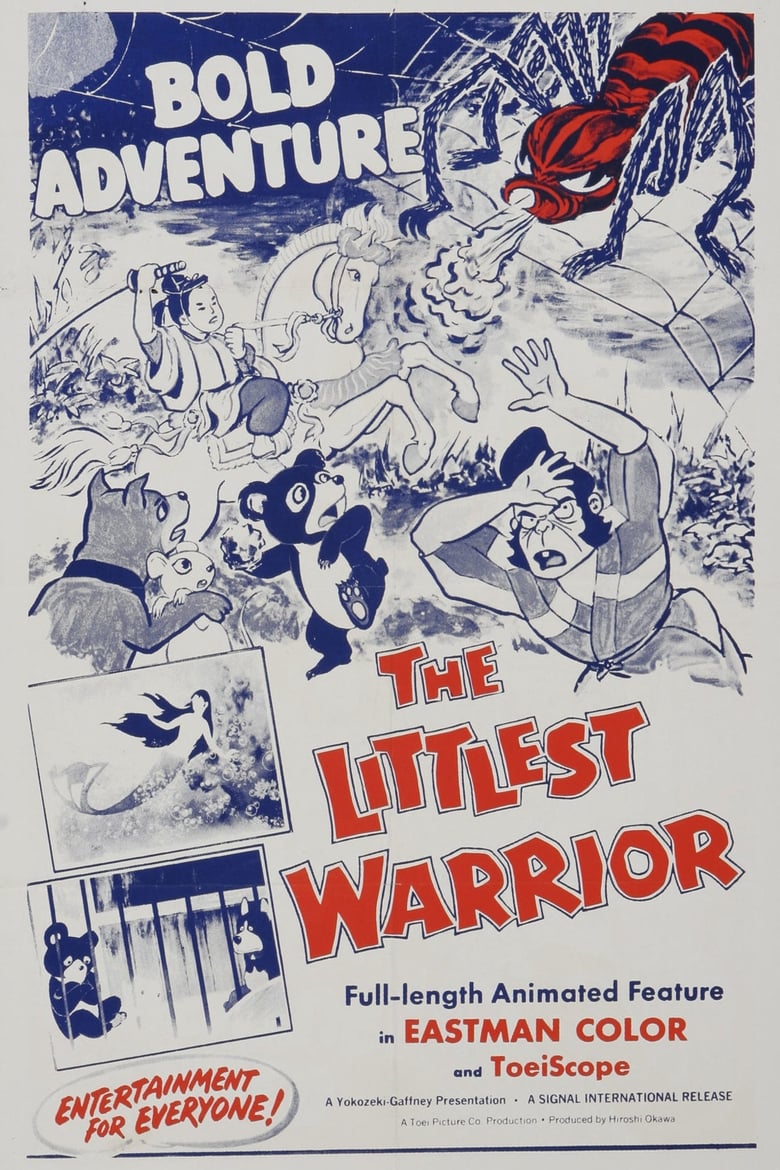
The Orphan Brother
1961
TV-Y7-FVDirector
Taiji Yabushita, Yugo Serikawa
Runtime
83 minutes
Average Rating
No ratings yetSynopsis
After their father quarrels with local military men, Anju and Zushio are forced to flee, but they are captured and sold into slavery. When their mother dies, they are sold to Sansho the Bailiff, a cruel man who subjects them to hideous torments. While Anju falls into a lake and is transformed into a swan, Zushio escapes and after being adopted to a nobleman grows to a young man. He will then fight to defeat the evil Dayu and free all the slaves.
Where to Watch
Diversity & Representation
Overall Score
Fair
Category Breakdown
LGBTQ+ Representation
The film lacks any evidence of non-heteronormative identities or queer narratives. It focuses on familial bonds and the struggle against systemic cruelty without subverting sexual norms.
Gender Representation
The story follows traditional gendered roles. While Anju undergoes a metaphysical transformation into a swan, Zushio drives the primary arc of combat and liberation as the protector.
Racial & Ethnic Diversity
Set in a historical Japanese context, the cast is ethnically homogeneous. The film explores themes of class and servitude rather than multiculturalism or racial identity.
Religious & Cultural Diversity
The narrative provides a sharp critique of traditional power structures. It portrays military authority and the bailiff as corrupt, celebrating the disruption of rigid social hierarchies.
Disability Representation
There is no explicit representation of neurodivergence or physical disability. Physical suffering is used as a plot device to establish villainy rather than providing character agency.
Strengths
- Strong critique of systemic injustice and corrupt social hierarchies.
- Effective exploration of the struggle against institutionalized cruelty and oppression.
Areas for Improvement
- Reliance on traditional masculine archetypes for the primary liberation arc.
- Lack of representation for non-heteronormative identities or diverse gender roles.
AI Analysis
The film serves as a powerful critique of class-based oppression and systemic corruption. It successfully frames traditional authority figures as the primary antagonists, challenging the concept of social order. However, the narrative remains tethered to conventional heroic archetypes. The focus on masculine roles of the warrior and the lack of intersectional markers regarding gender and sexuality limit its modern diversity profile. Ultimately, the work excels in its social commentary regarding institutionalized cruelty while remaining within the bounds of traditional historical storytelling.
Rate this Movie
Reviews
No reviews yet. Be the first to share your thoughts on this movie!
Use the rating form above to leave a star rating and optional review.