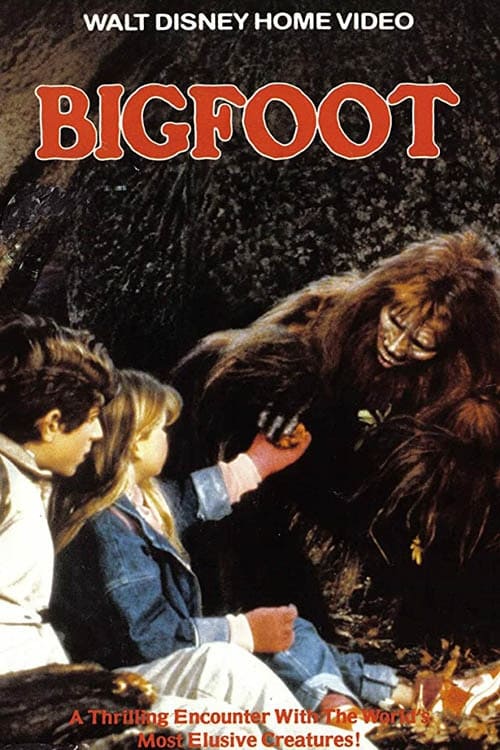
Bigfoot
1987
No user ratings available yet
Representation score: 1.8 out of 10
Representation Score
Minimal
1987
PGDirector
Jay Schlossberg-Cohen
Runtime
93 minutes
Average Rating
No ratings yetNew Showbiz Analysis
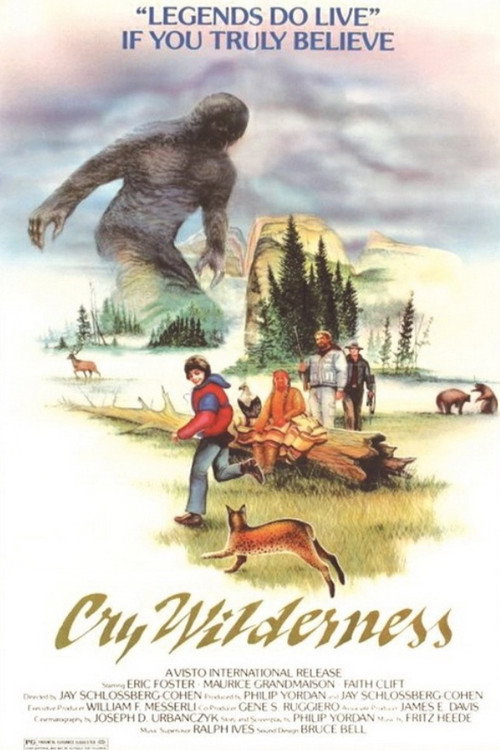
Cry Wilderness is a conventional 1980s adventure film that prioritizes traditional storytelling over diverse representation. The narrative structure reflects the social and cinematic constraints of its era, focusing on a homogeneous social structure. The film lacks intentionality regarding diverse identities, resulting in a cast and thematic framework centered on established, mainstream archetypes.
Category Breakdown
The film does not include any LGBTQ+ characters or non-cisgender identities. There are no depictions of same-sex relationships or stories that question the assumption that everyone is straight.
Gender roles follow traditional 1980s hierarchies. The plot centers around a young male protagonist, with little evidence of women taking leading roles or challenging male dominance.
The film lacks significant racial or ethnic diversity in its main cast. The setting focuses on a localized, predominantly white community typical of 1980s American adventures.
The story operates within a traditional Western framework emphasizing family and authority. It reinforces standard social structures without challenging Western institutions or ethical frameworks.
There is no evidence of characters with visible or invisible disabilities. Disability is not used as a narrative device within the film.
Present on Screen
Limited or Absent
Official Synopsis
A Bigfoot-type creature befriends Paul, a young student. His father is a park ranger trying to capture an escaped tiger. Everyone in town is on edge and wants the tiger killed. David tries to keep Bigfoot a secret.
1987
1988

1994

1987

1977
1998

2007

2008
No reviews yet. Be the first to share your thoughts on this movie!
Use the rating form above to leave a star rating and optional review.