
Sylvie
1973
No user ratings available yet
Representation score: 4.5 out of 10
Representation Score
Fair
2007
Director
Maria von Heland
Runtime
95 minutes
Average Rating
No ratings yetNew Showbiz Analysis
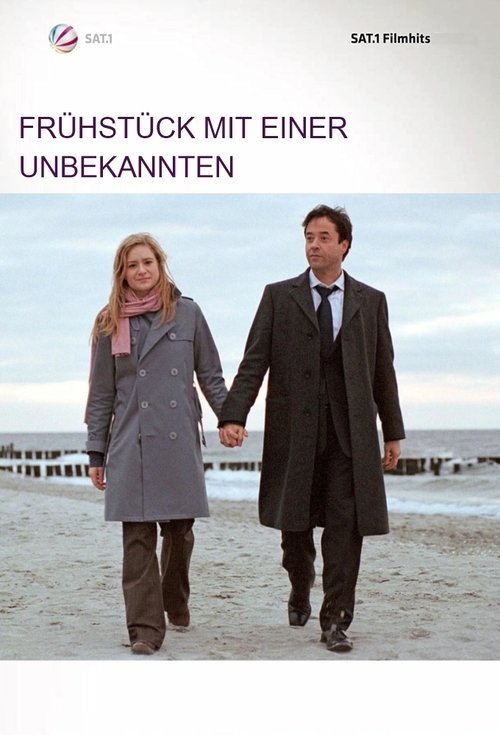
The film centers on Gina, a character-driven drama that finds its strength in the friction between individual authenticity and institutional rigidity. Using a romantic framework, it explores how a single person can disrupt established power structures. While the film excels at giving its female lead a significant role, it remains limited by a traditional, Eurocentric lens. The setting feels culturally homogenous, reflecting the political landscapes of its era. Ultimately, the film is a study of personal truth versus professional loyalty, using the G8 summit as a backdrop for social critique.
Category Breakdown
The film centers on a heterosexual romance between Laurens and Gina. There is no evidence of queer themes or non-assuming gender matches what was assigned at birth identities within the story.
The film focuses on Gina, who challenges male-dominated political structures by speaking up and defying traditional submissive feminine roles. Gina plays a significant role in driving the story and disrupting established power structures.
The story is set in a German Ministry and during a G8 summit, suggesting a predominantly Eurocentric environment. The narrative appears to follow the demographic homogeneity common in mid-2000s European dramas, lacking diverse representation.
The story critiques rigid Western institutions, portraying high-level political worlds as exclusionary spaces that clash with individual authenticity and personal truth. It highlights the tension between institutional rigidity and personal freedom.
The narrative contains no mention of characters navigating physical, mental health, or neurodivergent conditions.
Present on Screen
Limited or Absent
Official Synopsis
Laurens works for the German Minister of Finance and is an extremely correct and conscientious person. He knows his way around numbers, but less so with women. One day he meets Gina, a single young woman. She is sitting alone at one of the tables and Laurens forces himself to sit with her. Hesitantly, a first conversation develops between them. This is the beginning of a seemingly impossible love story that not only throws Laurens' life into turmoil. Laurens is secretary to the German finance minister. Over breakfast, he approaches the attractive Gina and invites her to accompany him to the G8 summit. There, Gina realizes that she doesn't fit into the world of politicians and business bosses. She is the only one to say what she thinks - and causes quite a stir. Laurens has to choose between his career and the love of his life.
1973

2005

2018

2017

2012

2007
2008

2004
No reviews yet. Be the first to share your thoughts on this movie!
Use the rating form above to leave a star rating and optional review.