
Prince for a Day
1995
No user ratings available yet
Representation score: 3.2 out of 10
Representation Score
Limited
1978
Director
Jeff Margolis
Runtime
49 minutes
Average Rating
No ratings yetNew Showbiz Analysis
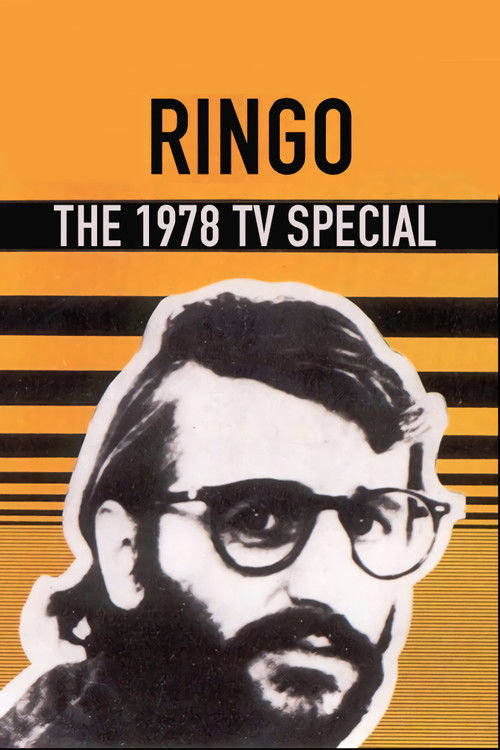
Ringo is a traditional genre production that adheres to the established social and demographic norms of its time. The narrative prioritizes a surreal character study of celebrity disillusionment over any meaningful social critique or systemic disruption. The film lacks intentionality regarding diverse representation, relying instead on conventional clichés. It functions as a standard musical comedy that maintains the status quo rather than challenging it.
Category Breakdown
The film does not include any LGBTQ+ characters or explore non-straight identities. The story centers around the protagonist's celebrity status and his doppelgänger.
The narrative focuses primarily on masculine archetypes and male-centric existential themes. There is a noticeable absence of female characters taking active roles or subverting traditional gender roles.
The cast is predominantly white, reflecting the homogeneous demographics typical of 1970s Western-themed comedies. The film does not incorporate diverse racial representation or color-blind casting.
The film operates within a standard Western framework without critiquing institutions such as capitalism or religion. It functions as a conventional genre piece centered on individual psychology.
There is no representation of physical, sensory, or neurodivergent disabilities. Characters are portrayed through standard archetypes without addressing the complexities of lived experiences.
Present on Screen
Limited or Absent
Official Synopsis
Ringo Starr, bored and disillusioned with fame, meets a doppelgänger in Hollywood named Ognir Rrats who sells maps to the stars' homes and lives with an abusive, thieving father. Longing for a more average lifestyle, Ringo invites Ognir into the studio and suggests the two trade places for a few hours.
1995
1978

1963
1964

1987
1982
2018
1965
No reviews yet. Be the first to share your thoughts on this movie!
Use the rating form above to leave a star rating and optional review.