
Blindfold: Acts of Obsession
1994
No user ratings available yet
Representation score: 2.5 out of 10
Representation Score
Limited
1993
PG-13Director
James Keach
Runtime
90 minutes
Average Rating
No ratings yetNew Showbiz Analysis
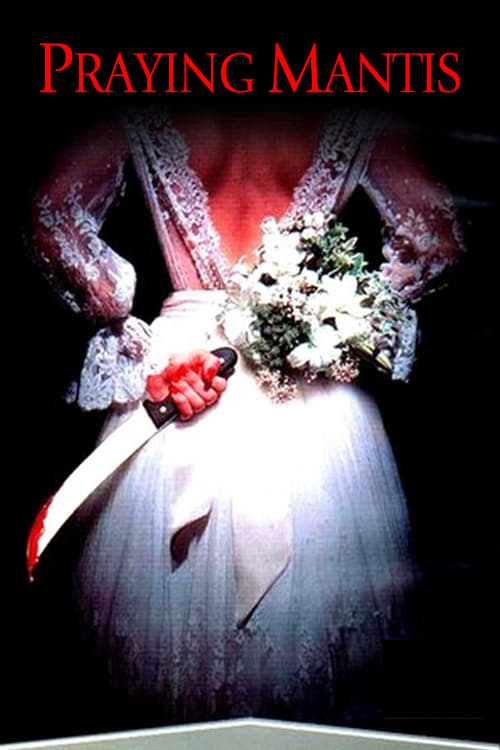
Praying Mantis operates as a standard 1990s psychological thriller, prioritizing genre clichés over social complexity. While the female lead plays a significant role in driving the story, it is channeled through the predatory femme fatale archetype rather than multi-layered empowerment. The film lacks demographic variety, featuring a largely white cast and a strictly straight-centered romantic structure. It does not engage with broader social hierarchies or institutional critiques, focusing instead on individual psychological conflict. Ultimately, the film uses mental instability as a narrative engine for suspense. This approach leans into character archetypes rather than offering a nuanced exploration of neurodivergence or diverse lived experiences.
Category Breakdown
The film follows a traditional cycle of seduction and marriage, showing no evidence of queer romantic dynamics or non-cisgender identities.
Linda Crandell breaks the nurturing wife stereotype by exercising lethal control and predatory intelligence. However, the story remains a fatalistic power struggle between a man and a woman.
The cast is predominantly white, featuring actors like Jane Seymour and Frances Fisher. The film reflects the demographic homogeneity typical of 1990s American television thrillers.
The narrative emphasizes individual psychological issues over systemic critiques. It focuses on interpersonal deception and personal morality rather than deconstructing Western institutions like religion or family.
The protagonist is portrayed as mentally unstable, using her condition to drive the black widow archetype. This portrayal risks framing mental instability as merely a plot device for villainy.
Present on Screen
Limited or Absent
Official Synopsis
A single man thinks he has finally found a woman who loves him. The woman is charming and intelligent but holds a very dark secret which will truly test how strong their relationship can be.
1994

1984

2019
1994
1993
1996

1993
1995
No reviews yet. Be the first to share your thoughts on this movie!
Use the rating form above to leave a star rating and optional review.