Saturday Night Fever
1977
No user ratings available yet
Representation score: 4.5 out of 10
Representation Score
Limited
1979
RDirector
Franc Roddam
Runtime
120 minutes
Average Rating
No ratings yetNew Showbiz Analysis
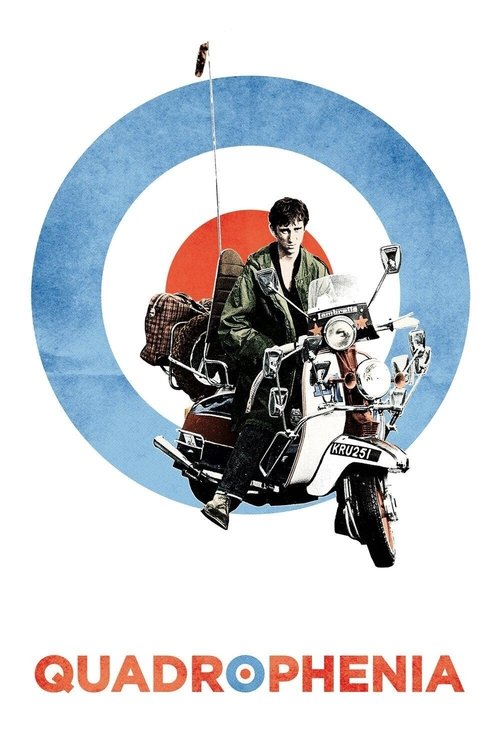
Quadrophenia is a period-specific character study that delves into the socioeconomic and psychological complexities of the British Mod subculture. It excels in critiquing traditional institutions, such as the family and consumer capitalism, offering a nuanced view of individual identity against societal norms. However, the film falls short in representing contemporary demographic diversity. Its narrative is centered on a white, male-dominated social structure that lacks substantial representation of LGBTQ+ identities, racial diversity, or disability experiences. Ultimately, the film's strength lies in its exploration of social alienation and the tension between the individual and society, rather than in its broad range of diverse casting.
Category Breakdown
The film focuses on a hyper-masculine 1960s Mod subculture. It does not explicitly depict non-straight or non-cisgender identities or same-sex relationships, sticking to the heterosexual norms of its time.
The film's social dynamics are dominated by men, focusing on a crisis of masculinity. Women appear mainly in supporting roles, serving as secondary elements to the male-driven tribalism.
The cast is predominantly white, reflecting the demographic makeup of the 1964 British working-class youth scene. There is no visible representation of minority groups within the core subcultural groups.
The narrative provides a sophisticated critique of consumerism and the superficiality of material status. It challenges the idealized family by showing the home as a place of deep alienation.
The film does not significantly address neurodivergence or physical disabilities. While the protagonist experiences psychological fragmentation, it is portrayed as existential angst rather than a focus on disability.
Present on Screen
Limited or Absent
Official Synopsis
Based on the 1973 rock opera album of the same name by The Who, this is the story of 60s teenager Jimmy. At work he slaves in a dead-end job. While after, he shops for tailored suits and rides his scooter as part of the London Mod scene.
1977
1957
2013

2014
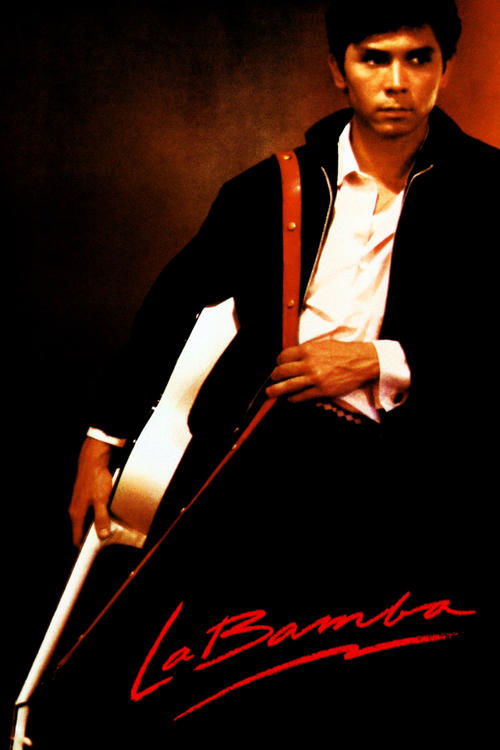
1987
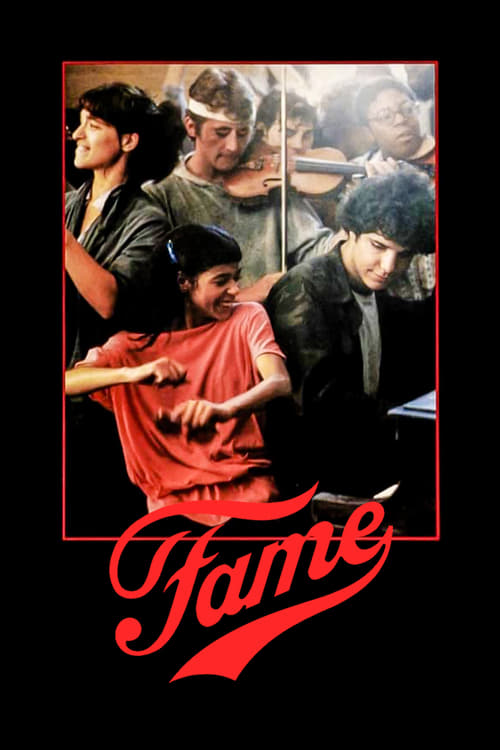
1980
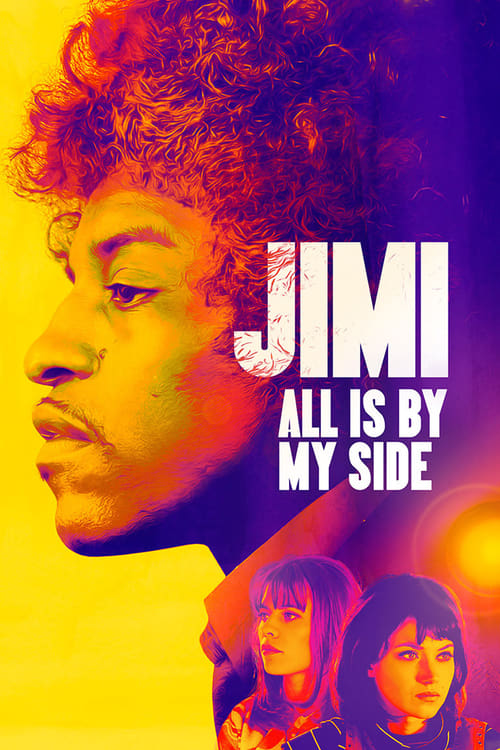
2013
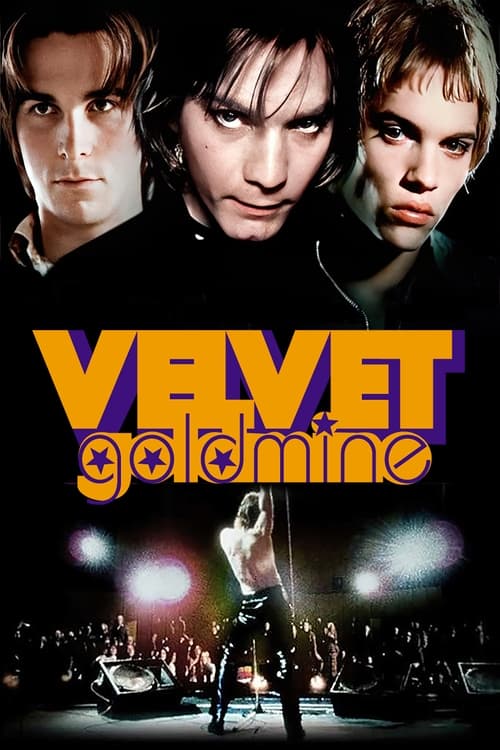
1998
No reviews yet. Be the first to share your thoughts on this movie!
Use the rating form above to leave a star rating and optional review.