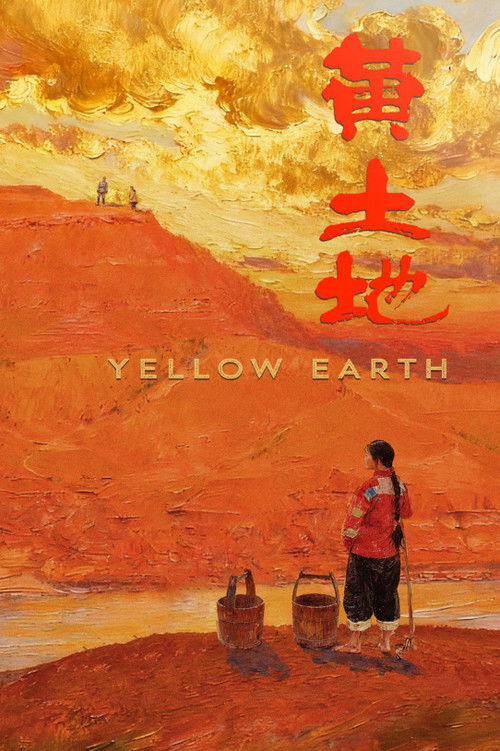
Yellow Earth
1984
No user ratings available yet
Representation score: 3.0 out of 10

Representation Score
Fair
1951
Not RatedDirector
Wang Bin, Choui Khoua
Runtime
111 minutes
Average Rating
No ratings yetNew Showbiz Analysis
The film is a powerful piece of social realism that prioritizes class struggle over individual morality. It succeeds by exposing the oppressive landlord-tenant relationship and highlighting the systemic exploitation of the working class. While the film lacks contemporary representation for LGBTQ+ and disability identities, it excels in its cultural and gendered critique. It uses the female protagonist's struggle to challenge the legitimacy of feudal institutions. Ultimately, the work focuses on systemic reform rather than individualist or religious themes.
Category Breakdown
The film focuses on a struggle centered around straight relationships and traditional family structures. There are no queer romantic arcs or characters with diverse gender identities.
Xi'er is the central character fighting against systemic oppression. The film highlights the negative impact of traditional masculine authority by depicting the landlord as a harmful figure.
This historical drama presents a non-Western perspective by focusing on the lives of rural workers. It challenges the dominance of Western narratives by showcasing a specific socio-political context.
The narrative offers a deep critique of feudal and capitalist systems. It emphasizes the struggle between classes and the disruption of corrupt, traditional power structures.
There are no characters with visible or invisible disabilities that play a central role in the story's development.
Present on Screen
Limited or Absent
Official Synopsis
Yang Bailao, a tenant farmer, lives with his daughter Xi'er. The despotic landlord, Huang Shiren, attempts to forcibly take Xi'er for himself. On the eve of the Chinese Spring Festival, Huang forces Yang to sell his daughter as repayment of the debt Yang owes him.
1984

1967

2024
2020

1961

1956

1970

1978
No reviews yet. Be the first to share your thoughts on this movie!
Use the rating form above to leave a star rating and optional review.