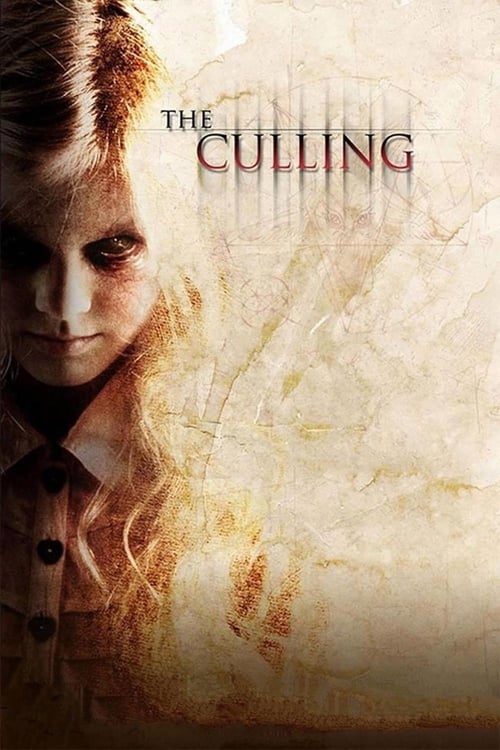
The Culling
2015
No user ratings available yet
Diversity score: 1.7 out of 10

2013
Director
Jared Masters
Runtime
80 minutes
Average Rating
No ratings yetSynopsis
In the rural town of Wickenhaven, a psychotic tanning salon owner is responsible for the disappearances of many young, innocent girls, while his wife, an exotic purse designer, is willing to overlook his evil nature.
Overall Score
Limited
Category Breakdown
LGBTQ+ Representation
The film lacks LGBTQ+ characters or narratives addressing non-cisnormative identities. The central conflict is rooted in a traditional, dysfunctional heterosexual domestic structure.
Gender Representation
The narrative utilizes a gendered dichotomy of predator and enabler. While the wife possesses professional agency, her role facilitates male violence, reinforcing patriarchal power dynamics.
Racial & Ethnic Diversity
The rural setting and available context suggest a potentially homogeneous, non-diverse cast. There is no evidence of intersectional casting or a non-Anglo-Saxon majority.
Religious & Cultural Diversity
The story focuses on individual psychopathy and moral decay rather than systemic critique. It avoids religious morality in favor of localized, interpersonal criminality.
Disability Representation
There is no evidence regarding the inclusion of characters with visible or invisible disabilities within the narrative.
Strengths
Areas for Improvement
AI Analysis
Slink operates as a conventional psychological thriller that prioritizes localized tension over social subversion. The plot centers on a predatory domestic unit, focusing on individual pathology rather than systemic or intersectional storytelling. The film adheres to traditional horror tropes, particularly regarding gender and race. The female character functions primarily as an accomplice to male violence, and the rural setting suggests a lack of racial diversity. Ultimately, the work does not challenge conventional social norms or provide complex, diverse character arcs, resulting in a low score for progressive representation.
2015

2013
2008

2016

2009
1983
2009
1989
2012

2010

2015
2004
No reviews yet. Be the first to share your thoughts on this movie!
Use the rating form above to leave a star rating and optional review.