You are here:

No Poster Available

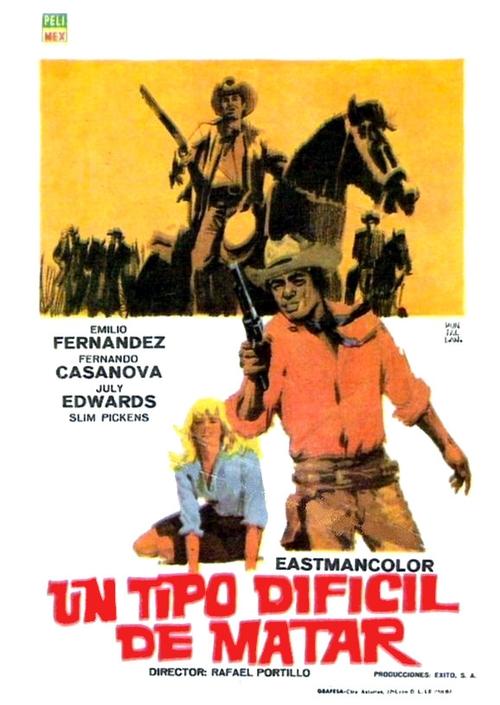
Hard Breed to Kill

1967

Director

Rafael Portillo

Runtime

90 minutes

Average Rating

No ratings yet

Synopsis

A band of outlaws appear out of nowhere on a ranchers property and viciously shoot him down. They steal what they can from his ranch and kidnap his wife. They make for the Mexican border, but something starts stalking them. From: Exploitation.TV

Where to Watch

Diversity & Representation

Overall Score

3.2/10

Limited


Category Breakdown

LGBTQ+ Representation

Limited

The film follows conventional heteronormative tropes typical of the 1960s Western. There is no evidence of non-cisnormative identities or same-sex intimacy within the narrative.

Gender Representation

Limited

The plot relies on traditional gendered dynamics. A female character is positioned as a passive object of abduction, while male characters drive the central conflict.

Racial & Ethnic Diversity

Fair

The Mexican border setting introduces potential ethnic tension. However, it remains unclear if characters of color possess agency or if the film utilizes diverse casting.

Religious & Cultural Diversity

Limited

The story adheres to standard Western frameworks of the era. It emphasizes individualist property rights and the protection of established social order over cultural critique.

Disability Representation

Minimal

The narrative contains no mention of characters with visible or invisible disabilities.

Strengths

  • The Mexican border setting provides a natural framework for exploring themes of cross-border movement and ethnic tension.

Areas for Improvement

  • The film relies on passive female roles, positioning women primarily as victims rather than active participants.
  • The narrative lacks representation of LGBTQ+ identities or non-cisnormative gender expressions.
  • There is a lack of depth regarding the agency and roles of non-Anglo characters within the story.

AI Analysis

Hard Breed to Kill is a product of its era, leaning heavily into the established tropes of the Western and exploitation genres. The narrative architecture prioritizes traditional conflict structures, such as property theft and abduction, rather than exploring diverse social perspectives. While the Mexican border setting provides a backdrop for potential ethnic tension, the film lacks specific evidence of meaningful representation for marginalized groups. The character dynamics reinforce historical hierarchies, particularly regarding gender and agency. Ultimately, the film functions as a conventional genre piece that maintains the status quo of 1960s cinematic storytelling, offering little subversion of social norms.

How are these scores produced? →

Rate this Movie

No rating selected
Use arrow keys to select a rating from 1 to 5 stars
Optional text review, maximum 2000 characters
Tip: Wrap spoilers with ||double pipes|| to hide them
0/2000 characters
You must be signed in to submit a rating

Reviews

No reviews yet. Be the first to share your thoughts on this movie!

Use the rating form above to leave a star rating and optional review.