Terror in Moscow
2003
No user ratings available yet
Representation score: 4.2 out of 10
Representation Score
Limited
2009
Director
Dan Reed
Runtime
50 minutes
Average Rating
No ratings yetNew Showbiz Analysis
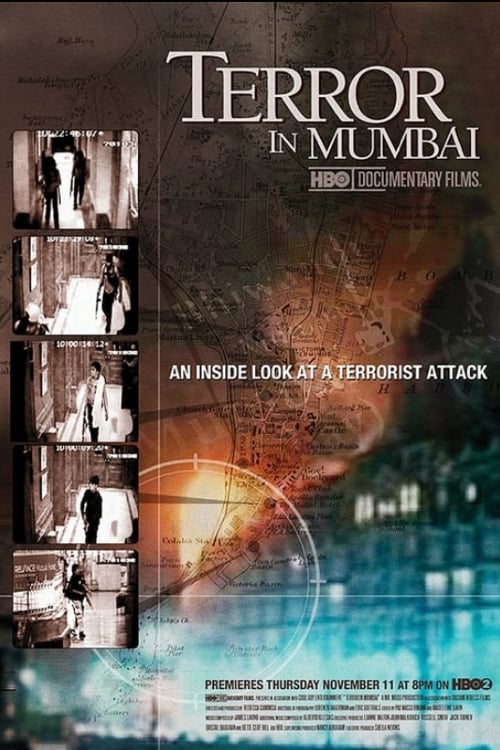
Terror in Mumbai functions as a forensic and testimonial documentary. Its narrative is driven by archival evidence, such as CCTV footage and phone intercepts, rather than scripted character arcs. Since it is a non-fiction account of a historical tragedy, representation is based on real-world victims and perpetrators. The film's primary contribution to diversity is its racial and ethnic focus. It shifts the lens from a Western observational standpoint to a localized, testimonial one, providing ability to act to those within the affected region. However, the subject matter limits intentional representation of other identity categories. The focus on national security and high-stakes combat naturally emphasizes traditional masculine roles and lacks space for exploring LGBTQ+ identities.
Category Breakdown
The documentary focuses on a specific geopolitical terrorist event. There are no LGBTQ+ characters or themes presented in the film.
The film documents a tragedy affecting all genders, but the primary actors in combat scenarios are predominantly male, reflecting the demographic realities of the event.
The film centers on the lived experiences of victims in Mumbai. It shifts the focus away from Western-centric perspectives by using local intercepts and interviews.
By presenting the words of the terrorists, the film creates a framework of moral relativism. This disrupts traditional hero-versus-villain clichés through a multi-dimensional view.
The available context does not provide evidence regarding the portrayal of individuals with physical or neurodivergent disabilities.
Present on Screen
Limited or Absent
Official Synopsis
The inside story of the November 2008 terrorist attack on Mumbai, India - in the words of the victims and of the terrorists themselves. Includes never-before-heard telephone intercepts of the terrorists' conversations with their handlers in Pakistan, CCTV footage from the luxury hotels as they are attacked and the tape of the first interrogation of the sole surviving terrorist Kasab.
2003
2012
2016
2002
2015

2002
2022
2020
No reviews yet. Be the first to share your thoughts on this movie!
Use the rating form above to leave a star rating and optional review.