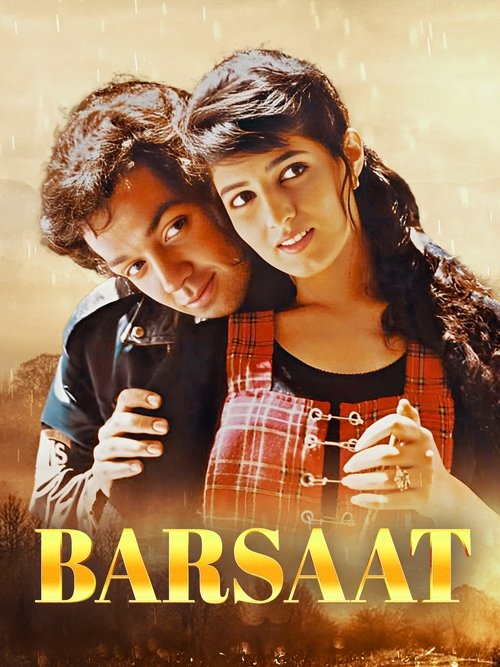
Barsaat
1995
No user ratings available yet
Diversity score: 2.9 out of 10
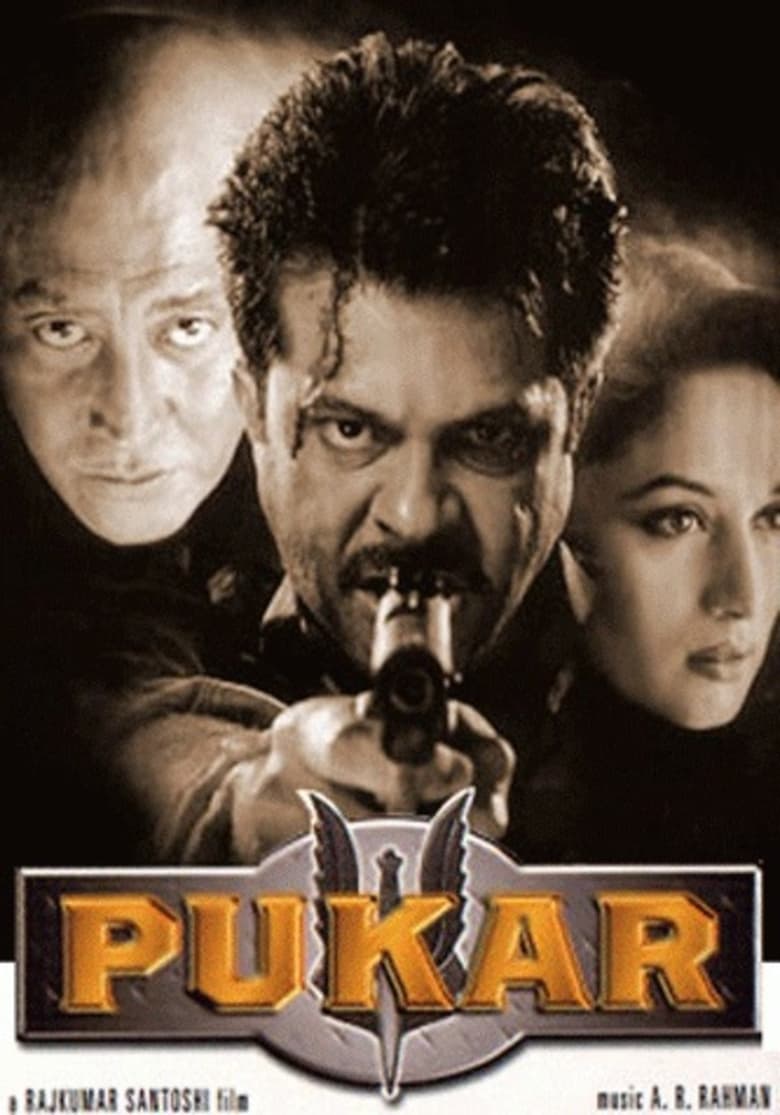
2000
Director
Rajkumar Santoshi
Runtime
165 minutes
Average Rating
No ratings yetSynopsis
Major Jaidev saves a politician from the clutches of a dreaded terrorist. However, the terrorist joins hands with his childhood friend Anjali to ruin his life.
Overall Score
Limited
Category Breakdown
LGBTQ+ Representation
The film follows a conventional heteronormative structure. There is no presence of non-cisnormative identities or same-sex intimacy, as romantic elements focus on traditional male-female pairings.
Gender Representation
Narrative momentum is driven almost exclusively by the male protagonist. While the female lead possesses some agency, the film reinforces traditional masculine leadership and positions the male as the primary protector.
Racial & Ethnic Diversity
The film reflects the ethnic and religious tapestry of the subcontinent. However, religious identity is primarily used as a marker for the antagonist group rather than for nuanced exploration.
Religious & Cultural Diversity
This is a staunchly nationalist production that celebrates the sanctity of national institutions. It promotes patriotism and respect for military hierarchies without offering secularist or anti-state subversion.
Disability Representation
There are no visible or invisible disabilities portrayed as central to the character arcs. Characters with physical or neurodivergent traits are not utilized as meaningful agents of the plot.
Strengths
Areas for Improvement
AI Analysis
Pukar is a quintessential example of traditional nationalist cinema that prioritizes duty and state authority. The narrative architecture reinforces existing social and institutional hierarchies through a conventional hero-villain dichotomy. While the film captures a broad depiction of the Indian social fabric, it lacks intersectional complexity. It relies on established genre tropes that favor traditionalism over the subversion of identity hierarchies. Ultimately, the film functions as a celebration of national sovereignty and military heroism, adhering to the mainstream cinematic conventions of its era.
No reviews yet. Be the first to share your thoughts on this movie!
Use the rating form above to leave a star rating and optional review.