Over the Sky
2020
No user ratings available yet
Representation score: 5.0 out of 10
Representation Score
Good
2018
Director
Akiyuki Shinbô, Hajime Ôtani
Runtime
148 minutes
Average Rating
No ratings yetNew Showbiz Analysis
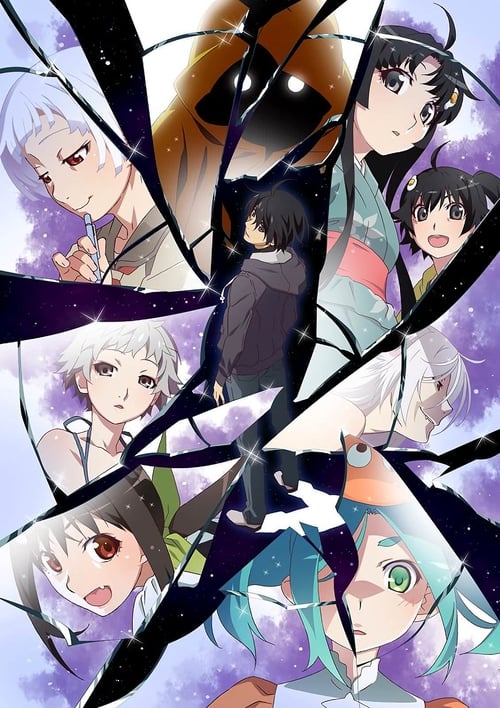
Zoku Owarimonogatari excels in its portrayal of women as intellectually dominant drivers of the narrative. The film's strength lies in its psychological depth and its ability to portray complex, character-driven stories. However, the work is demographically limited by its homogeneous Japanese setting and lacks explicit LGBTQ+ identifiers. The focus on internal psychological states often replaces broader social or political representation. Ultimately, the film offers a sophisticated look at mental health and subjective morality, even if it remains culturally specific and lacks ethnic diversity.
Category Breakdown
The film explores the fluidity of identity and non-traditional relationship structures. While it lacks explicit same-sex intimacy or non-binary markers, it deconstructs assumptions about straight relationships through emotional complexity.
Female characters like Senjougahara and Hanekawa play significant roles in driving the story through their own psychological struggles. They pass the Bechdel test by discussing topics unrelated to men.
The cast is predominantly homogeneous, reflecting a contemporary Japanese setting. The film lacks diverse ethnic backgrounds or race-bent casting, remaining consistent with its specific geographic origin.
The narrative prioritizes subjective morality and fragmented truths over traditional ethics. It focuses on characters navigating personal trauma outside of standard institutional structures, though it lacks systemic political critique.
The story focuses on invisible disabilities, specifically neurodivergence and mental health. Characters deal with trauma and psychological instability, treated as essential elements of their development rather than mere plot devices.
Present on Screen
Limited or Absent
Official Synopsis
The morning after his high school graduation ceremony, Araragi goes to the bathroom to wash his face but is struck by the sensation that his reflection is watching him. Touching the mirror, Araragi’s hand passes straight through and he is sucked into a mysterious world.
2020
2018
2022
2016

2015

2005
2004
2021
No reviews yet. Be the first to share your thoughts on this movie!
Use the rating form above to leave a star rating and optional review.