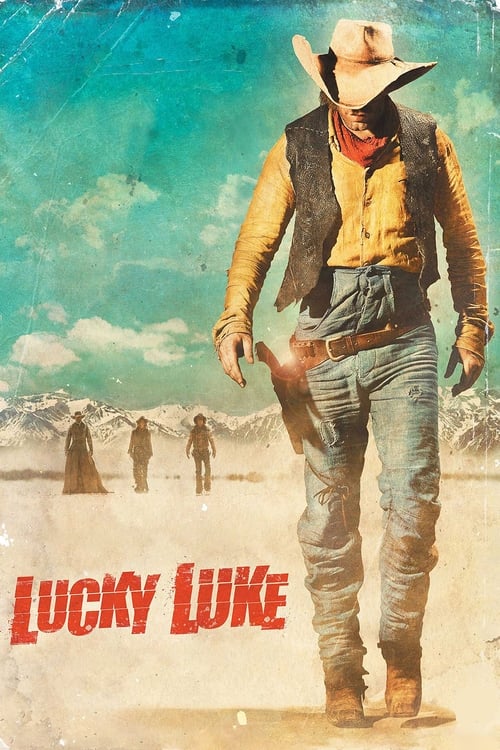
Lucky Luke
2009
No user ratings available yet
Representation score: 0.6 out of 10
Representation Score
Limited
1974
Director
Aram Gülyüz
Runtime
86 minutes
Average Rating
No ratings yetNew Showbiz Analysis
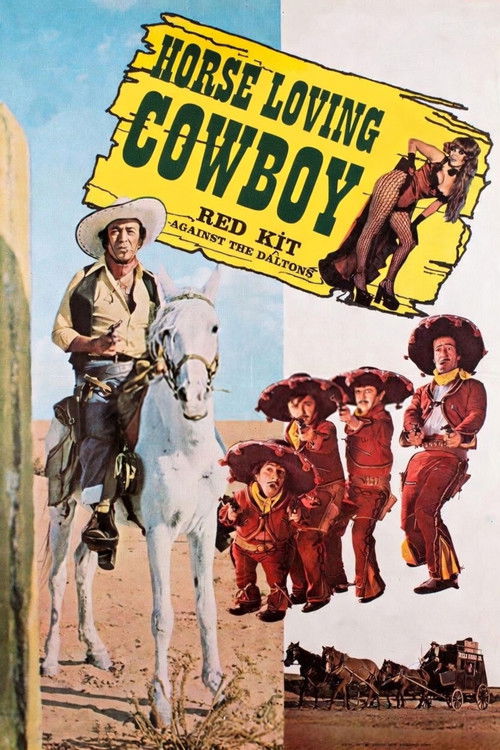
The Cowboy Who Loves His Horse is a Turkish adaptation of the French Lucky Luke comics. It prioritizes genre-based escapism and stylistic mimicry over social commentary. The film sticks closely to the established clichés of the 1970s Western-comedy genre. Since the film focuses on traditional adventure themes, it lacks progressive representation. The narrative structure reinforces conventional power dynamics rather than challenging them through diverse casting or multi-layered storytelling. Ultimately, the film serves as a cultural translation of an international mythos. It remains grounded in the era's standard comedic and masculine clichés.
Category Breakdown
The film does not include any characters with non-traditional gender identities. It follows typical romantic and friendship themes common in 1970s adventure films.
The story emphasizes masculine leadership through its cowboy character. It does not challenge traditional notions of masculinity or gender roles.
As a Turkish adaptation of a Western mythos, the film offers a localized cultural interpretation. However, it is unclear if the casting breaks away from Anglo-centric stereotypes.
The story follows a straightforward adventure plot with clear moral distinctions. It does not seem to question Western institutions, capitalism, or religious norms.
The film does not feature any characters with visible or invisible disabilities. There is no information on how the film handles disability.
Present on Screen
Limited or Absent
Official Synopsis
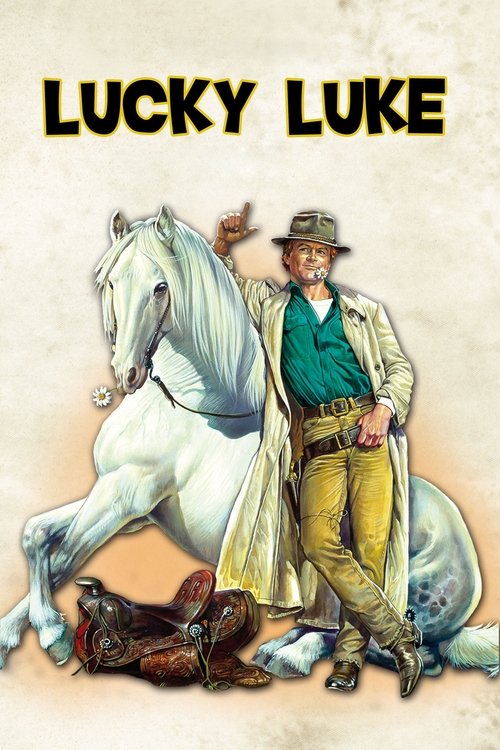
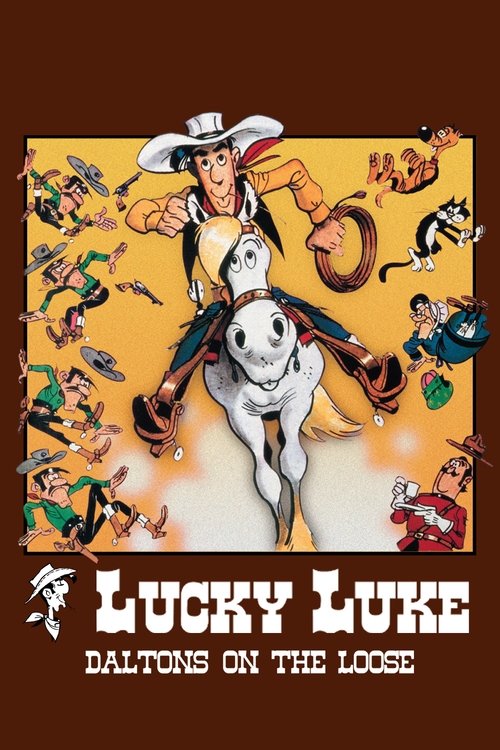
A Turkish version of the French comic book character Lucky Luke is asked for help in rounding up the Daltons.
2009

2009
2004
1992
1991

1973
1983
2007
No reviews yet. Be the first to share your thoughts on this movie!
Use the rating form above to leave a star rating and optional review.