Find another title
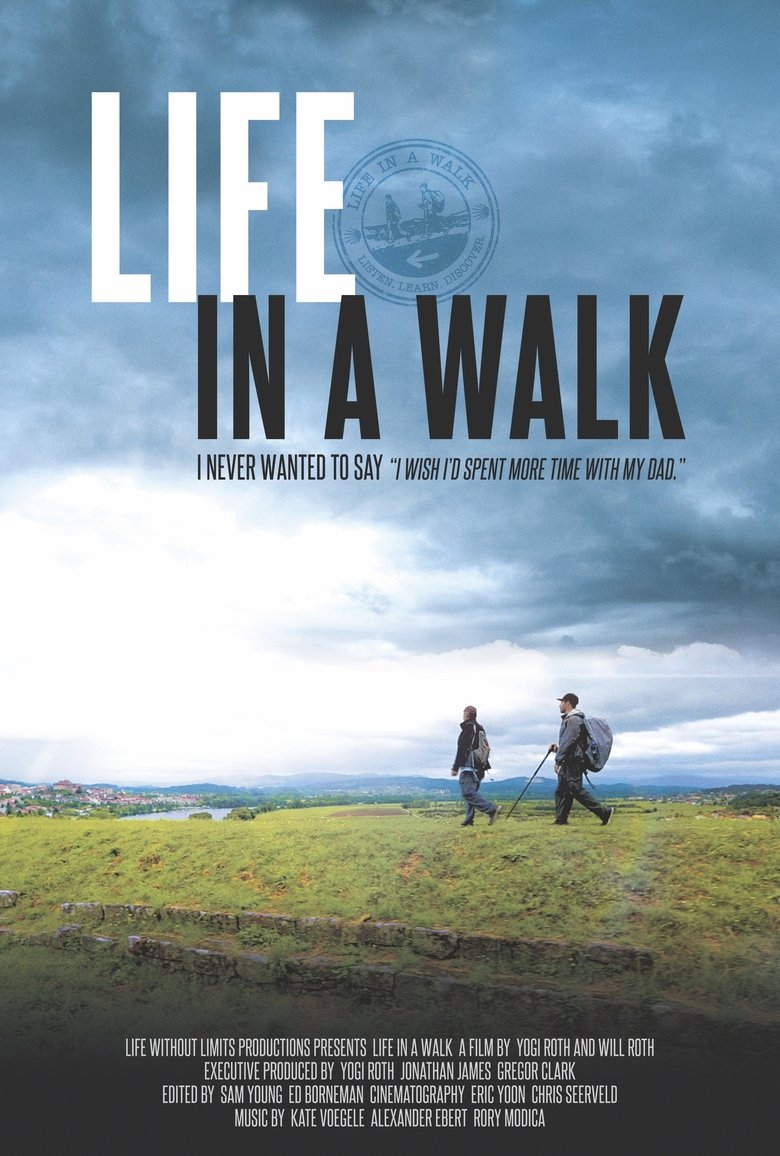
Life in a Walk
2015
TV-PGRuntime
76 minutes
Average Rating
No ratings yetSynopsis
Yogi Roth never wanted to say 'I wish I'd spent more time with my Dad.' After realizing he had not dealt with the emotion stemming from his father's battle with prostate cancer, Yogi invites his Dad on a walk along the Camino de Santiago that would change their lives forever.
Where to Watch
Diversity & Representation
Overall Score
Limited
Category Breakdown
LGBTQ+ Representation
The film lacks LGBTQ+ characters or narratives addressing non-cisnormative identities. The story focuses exclusively on a heteronormative bond between a father and son.
Gender Representation
The narrative centers on a traditional masculine dynamic between two men. It offers a departure from stoic tropes by emphasizing emotional vulnerability and personal healing.
Racial & Ethnic Diversity
There is no indication of a diverse or non-Anglo-Saxon cast. The film appears to center on a specific, individual family unit without intersectional breadth.
Religious & Cultural Diversity
While set on the religious Camino de Santiago, the film prioritizes secular emotional growth. It follows a conventional documentary approach without explicit anti-institutional themes.
Disability Representation
The story explores the emotional toll of prostate cancer and chronic illness. It provides a platform for discussing health-related vulnerability and medical battles.
Strengths
- Explores emotional vulnerability in men, moving beyond traditional stoic masculine tropes.
- Provides a nuanced look at the emotional aftermath of chronic illness and cancer.
- Offers a meaningful exploration of familial bonds and personal healing.
Areas for Improvement
- Lacks racial and ethnic intersectionality within the narrative.
- Provides no representation of LGBTQ+ identities or non-cisnormative experiences.
- Maintains a narrow focus on a single, traditional family dynamic.
AI Analysis
Life in a Walk is a deeply personal documentary that prioritizes intimate familial reconciliation over broad social representation. The narrative is tightly focused on the emotional journey of a son and his father, which naturally limits the scope for systemic or intersectional diversity. The film succeeds in humanizing masculinity by exploring vulnerability through the lens of cancer recovery. However, the lack of racial, LGBTQ+, or gender-diverse perspectives makes the work feel narrow in its social reach. Ultimately, the documentary functions as a character study of a specific family unit. It offers meaningful insight into health-related struggles but lacks the breadth to challenge broader social hierarchies.
Rate this Movie
Reviews
No reviews yet. Be the first to share your thoughts on this movie!
Use the rating form above to leave a star rating and optional review.