Atlantis Rising
2017
No user ratings available yet
Representation score: 3.7 out of 10
Representation Score
Minimal
2011
Director
Graeme Ball
Runtime
60 minutes
Average Rating
No ratings yetNew Showbiz Analysis
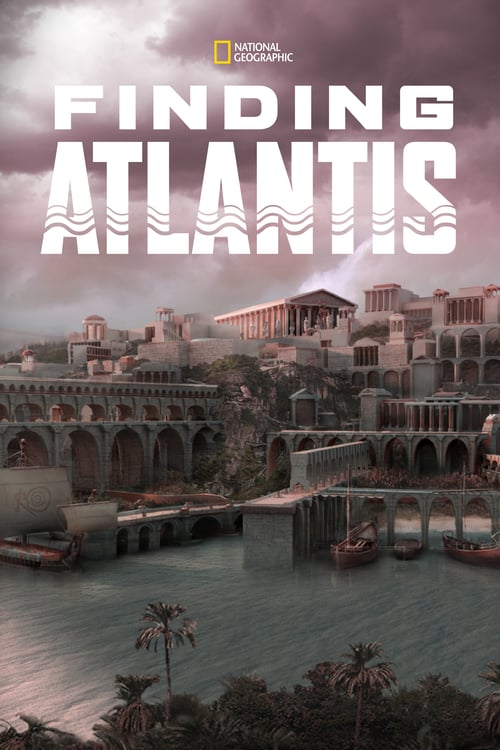
Finding Atlantis is a specialized scientific documentary that prioritizes technological application and geological inquiry over social storytelling. The narrative tension comes from the intersection of Plato's myths and empirical evidence rather than identity-based themes. Since the film functions as an academic investigation into ancient history, it lacks the intentionality needed to address or challenge contemporary social dynamics. The focus remains strictly on the search for truth through a Western scientific lens. Ultimately, the work does not engage with the overlapping aspects of identity or the deconstruction of traditional hierarchies, resulting in a low diversity profile.
Category Breakdown
The documentary focuses entirely on archaeological methodology and geological history. There are no LGBTQ+ characters or narratives addressing non-straight relationships.
The narrative centers on the academic authority of Professor Richard Freund. It features a male-led scientific pursuit without challenging traditional gender roles.
The subject matter is centered on ancient Mediterranean civilizations and Western academic institutions. The framework remains rooted in traditional Western archaeological paradigms.
The film prioritizes scientific secularism and empirical investigation over spiritual beliefs. It operates within a conventional Western institutional perspective.
There is no mention of subjects or characters with visible or invisible disabilities within the film's scope.
Present on Screen
Limited or Absent
Official Synopsis
Using satellite photography, ground-penetrating radar and underwater technology, The film, Finding Atlantis, was screened by the National Geographic Channel in the US and fronted by Professor Richard Freund, from Hartford University in Connecticut. Professor Freund explained how he led a pursuit to find the lost civilisation, believed by many to be an ancient Greek myth, by using deep-ground radar, digital mapping and satellite imagery. He contends that Atlantis, described by Plato in 360BC, in Spain's Donaña National Park, north of Cadiz, and was wiped out by a giant tsunami. Plato wrote it had been destroyed by a natural disaster in 9,000BC. Experts are now surveying marshlands in Spain to look for proof of the ancient city.
2017
2025

2017

2014
2006

2013
2018
2011
No reviews yet. Be the first to share your thoughts on this movie!
Use the rating form above to leave a star rating and optional review.