Deadly Assistant
2019
No user ratings available yet
Representation score: 3.9 out of 10
Representation Score
Limited
1997
TV-14Director
Roger Young
Runtime
87 minutes
Average Rating
No ratings yetNew Showbiz Analysis
The film opens on a sun-drenched, manicured suburban street, a visual promise of order that the narrative immediately violates. Sisters and Other Strangers sells the American dream of domestic safety, only to reveal it as a trap for its inhabitants. The camera lingers on the breakfast table and the garden, treating these routines as sacred, yet the intrusion of violence exposes the hollowness of that perfection. Gail Connelly Metzger, the weary matriarch, is the moral center, but her competence is irrelevant against the brutality of the crime. The film’s argument is that the traditional family unit, with its emphasis on protection and privacy, is a cage that makes its occupants vulnerable. The last image, focusing on the empty space where the victims were, confirms this: the family’s innocence is punished, and the detective’s procedural closure offers no real comfort. The "strangers" were always within reach, and the suburban ideal is a facade for vulnerability.
Category Breakdown
The narrative relies exclusively on heterosexual pairings and traditional sibling dynamics. No queer characters, relationships, or discussions of sexual identity appear on screen.
Gail functions as the competent, weary matriarch, while her sister Renee embodies a more volatile, vulnerable femininity. Male figures are framed as emotionally distant or inept protectors, leaving the women to bear the brunt of the domestic and criminal fallout.
The suburban setting is predominantly white, establishing the Connelly family as the normative ideal. Latino and Native American characters are cast as the "strangers" or antagonistic forces, visually coding the threat as external to the white domestic sphere.
The film treats the nuclear family and suburban routine as sacred, yet exposes them as fragile cages of safety. The murder shatters the veneer of domestic perfection, suggesting that the traditional family structure offers no real protection against the chaos of the outside world or internal betrayal.
No characters are depicted with physical, sensory, or cognitive disabilities. The narrative focuses on psychological trauma and physical violence rather than impairment or medical conditions.
Present on Screen
Limited or Absent
Official Synopsis
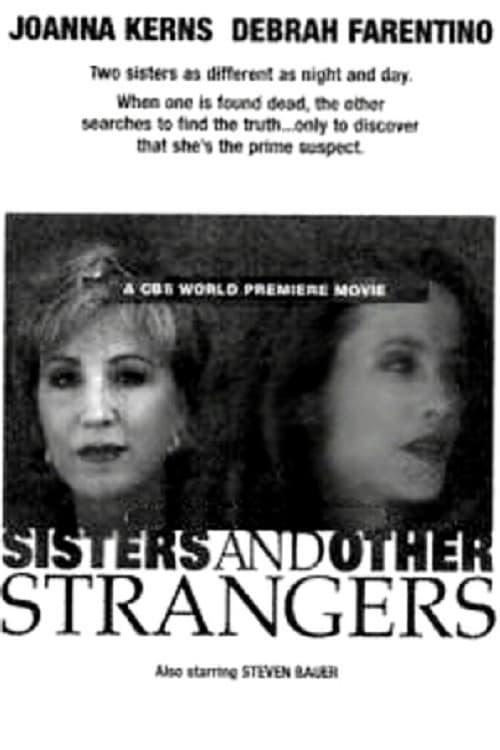
A woman (Joanna Kerns), at odds with her eccentric sister (Debrah Farentino) over a real-estate deal, becomes the prime suspect when the latter is found dead.
2019

1994
2016

2021

2018

2006
2022
1989
No reviews yet. Be the first to share your thoughts on this movie!
Use the rating form above to leave a star rating and optional review.