Find another title
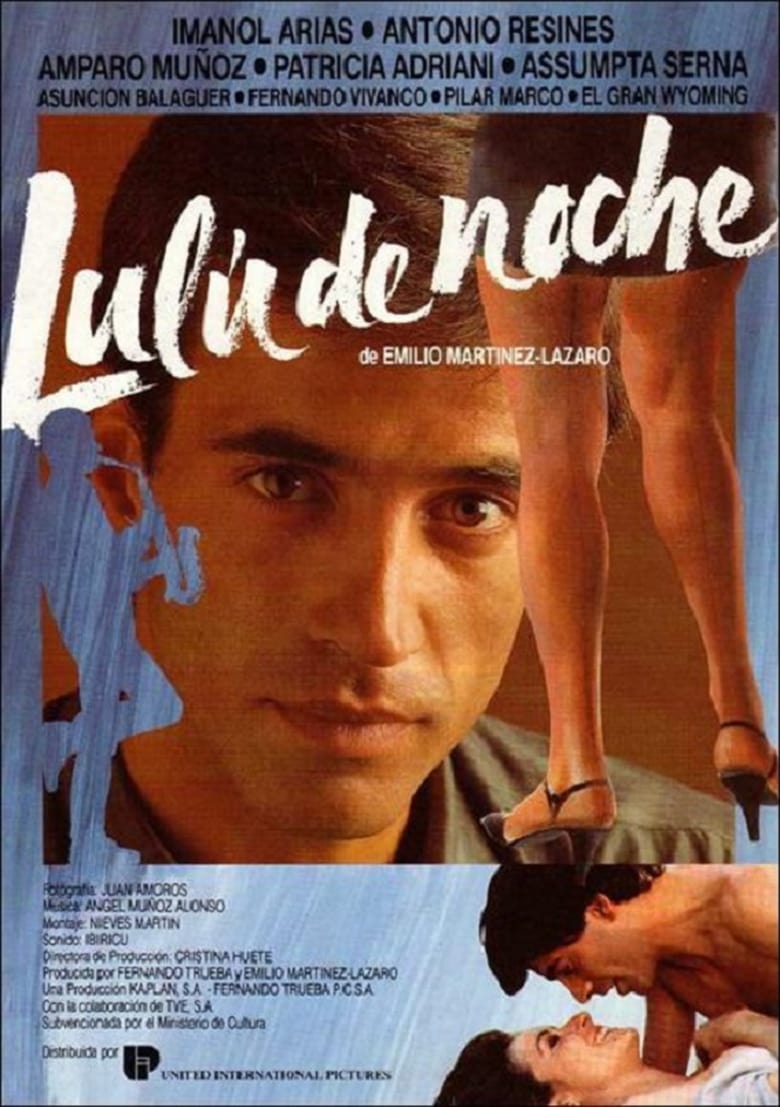
Lulú de noche
1986
Director
Emilio Martínez Lázaro
Runtime
94 minutes
Average Rating
No ratings yetSynopsis
German, a young theater director, tries to organize a theater play about Lulu, a prostitute that was killed in London by Jack the ripper. While looking for the protagonist, Rufo appears, an introvert jazz musician. He could play Jack the ripper.
Where to Watch
Diversity & Representation
Overall Score
Fair
Category Breakdown
LGBTQ+ Representation
The film lacks explicit evidence of queer identities or non-cisnormative characters. However, its focus on performative identity and subverting archetypes creates a thematic space where gender fluidity might reside.
Gender Representation
The narrative attempts to reclaim the agency of Lulu, a woman historically defined by violence. By centering the search for her, the film shifts focus from the male killer to the female subject.
Racial & Ethnic Diversity
The story appears to feature a predominantly Eurocentric cast and setting. There is no evidence of significant racial intersectionality or diverse ethnic representation within the narrative context.
Religious & Cultural Diversity
The film critiques established social hierarchies by focusing on characters on the periphery, such as a prostitute and an introverted musician. It prioritizes artistic interpretation over official historical chronicles.
Disability Representation
There is no discernible evidence regarding the portrayal of physical or neurodivergent disabilities in this work.
Strengths
- Subverts traditional villain archetypes by casting an introverted musician as the potential killer.
- Reclaims female presence by centering the narrative on the female subject rather than the perpetrator.
- Uses a postmodern framework to challenge the stability of singular historical truths.
Areas for Improvement
- Lacks explicit representation of LGBTQ+ identities or non-cisnormative characters.
- Shows a lack of racial and ethnic intersectionality, remaining largely Eurocentric.
- Provides no discernible evidence of disability representation.
AI Analysis
Lulú de noche functions as a moderate exploration of identity through the lens of performance. It moves away from traditional historical chronicles by using a play-within-a-play framework to deconstruct the Jack the Ripper mythos. The film succeeds in shifting the narrative gaze toward marginalized figures, such as the female protagonist and an introverted musician. This approach disrupts conventional tropes and emphasizes subjective experience over standard historical storytelling. However, the work lacks overt intersectional representation. The absence of explicit LGBTQ+ identities and diverse racial casting limits its impact as a truly inclusive piece of cinema.
Rate this Movie
Reviews
No reviews yet. Be the first to share your thoughts on this movie!
Use the rating form above to leave a star rating and optional review.