Heights
2005
No user ratings available yet
Representation score: 4.5 out of 10
Representation Score
Fair
2000
RDirector
Mike Figgis
Runtime
97 minutes
Average Rating
No ratings yetNew Showbiz Analysis
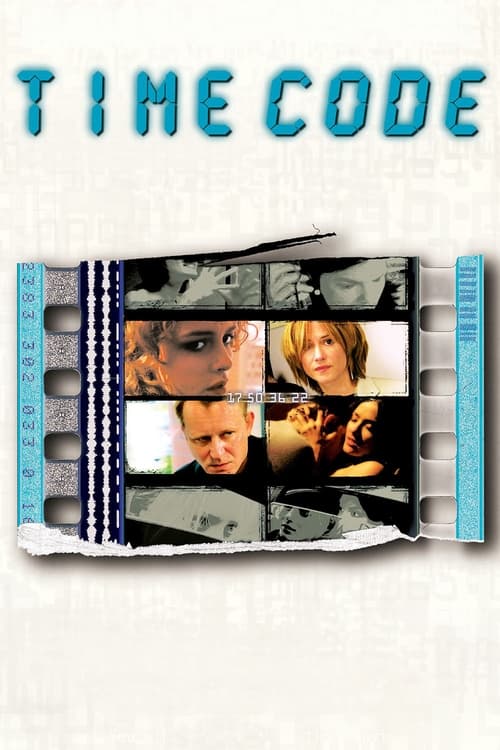
Timecode is a formalist experiment that prioritizes structural subversion over demographic diversity. Its strength lies in the split-screen format that challenges the idea of a single, objective truth, reflecting the fragmented moral landscape of modern society. While the film successfully presents complex women's ability to drive the story and a same-sex romantic subplot, it falls short in providing multi-layered diversity. The urban cast reflects a typical metropolitan setting without a clear push for diverse representation. Ultimately, the film’s diversity is found in its postmodern architectural style, which mirrors the chaotic nature of modern identity and the breakdown of traditional social structures.
Category Breakdown
The film features a same-sex romantic relationship between Rose and her girlfriend, adding a layer of complexity to the story without delving deeply into identity politics.
Women play key roles in driving the plot through manipulation and decisive actions, avoiding traditional domestic stereotypes.
The urban ensemble cast reflects a general metropolitan milieu. There is no clear evidence of a deliberate effort to disrupt Anglo-centric casting norms through characters who reflect more than one aspect of diversity.
The film uses a split-screen format to present conflicting realities simultaneously, challenging the idea of a single truth and promoting individual subjective experiences.
The narrative does not include characters with disabilities as central figures in the plot.
Present on Screen
Limited or Absent
Official Synopsis
A production company begins casting for its next feature, and an up-and-coming actress named Rose tries to manipulate her filmmaker boyfriend, Alex, into giving her a screen test. Alex's wife, Emma, knows about the affair and is considering divorce, while Rose's girlfriend secretly spies on her and attempts to sabotage the relationship. The four storylines in the film were each shot in one take and are shown simultaneously, each taking up a quarter of the screen.
2005
2004
1997
2004
1998
2000
1995
2002
No reviews yet. Be the first to share your thoughts on this movie!
Use the rating form above to leave a star rating and optional review.