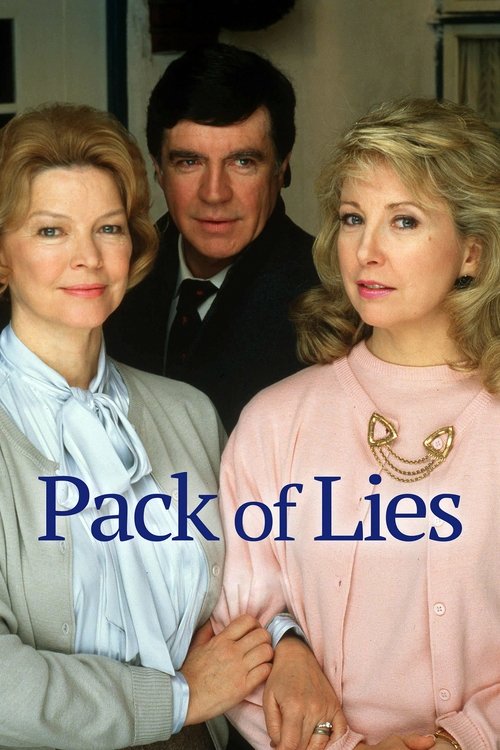
Pack of Lies
1987
No user ratings available yet
Representation score: 4.9 out of 10

Representation Score
Fair
1987
TV-14Director
John Glenister
Runtime
90 minutes
Average Rating
No ratings yetNew Showbiz Analysis
Blunt (1987) is a period drama that finds its strength in its central character dynamics. By centering the plot on the relationship between two men, the film moves LGBTQ+ themes from the periphery to the very engine of the espionage narrative. However, the film is limited by its historical setting and genre. The focus on the Cambridge Spies results in a lack of racial and gender diversity, as the story remains confined to a homogeneous, male-dominated aristocratic circle. Ultimately, the film succeeds as a critique of Western institutional stability. It uses the betrayal of class and nation to challenge traditional patriotic narratives, even if it does so within a narrow demographic scope.
Category Breakdown
The film centers its conflict on the romantic and ideological bond between Anthony Blunt and Guy Burgess. Their relationship drives the geopolitical espionage and plays a significant role in driving the plot forward.
The narrative operates within a masculine-coded espionage genre. While it challenges patriarchal class structures, the focus remains on male-dominated institutional power with little female presence.
The story is deeply rooted in a homogeneous, white, aristocratic milieu. It focuses on the internal fractures of the Anglo-Saxon elite in mid-century Cambridge.
The film critiques Western institutions by portraying the British establishment as a facade for treason. It disrupts patriotic clichés by prioritizing ideological alignment over nationalistic loyalty.
There is no evidence regarding the portrayal of physical or neurodivergent disabilities in this production.
Present on Screen
Limited or Absent
Official Synopsis
Anthony Blunt is an eminent Cambridge-educated art historian who is also working as a spy for the Soviet Union. In love with double agent Guy Burgess, he helps Burgess get yet another treasonous British agent to safety in Moscow. When Burgess unexpectedly defects as well, the government becomes suspicious of Blunt, but investigators have trouble believing such a refined and aristocratic gentleman would ever betray his nation and his class.
1987

1984

2013
1969
1995
1965
1991
1973
No reviews yet. Be the first to share your thoughts on this movie!
Use the rating form above to leave a star rating and optional review.