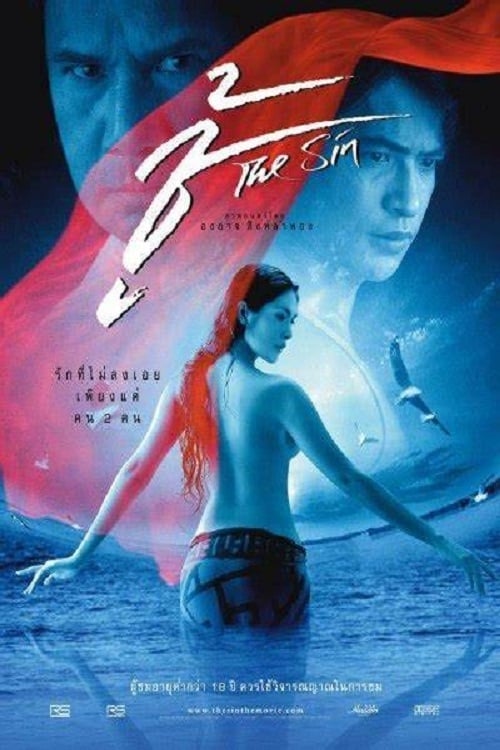
The Sin
2004
No user ratings available yet
Representation score: 3.6 out of 10
Representation Score
Limited
2000
NRDirector
Wisit Sasanatieng
Runtime
110 minutes
Average Rating
No ratings yetNew Showbiz Analysis
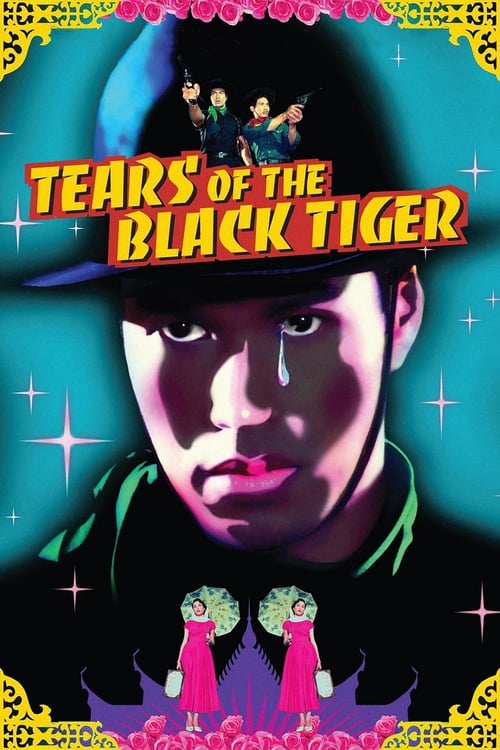
Wisit Sasanatieng’s film blends Thai melodrama with Western aesthetics, creating a distinctive Southeast Asian visual language. However, it also leans heavily on traditional gender and melodramatic clichés. While the film offers a strong regional counter-narrative, it lacks LGBTQ+ representation and disability visibility.
Category Breakdown
The film adheres to traditional romantic storylines without depicting any non-straight relationships or non-cisgender identities. It focuses solely on heterosexual relationships and does not include any same-sex intimacy or non-cisgender characters.
Female characters in the film often play supporting roles, serving as emotional catalysts or objects of conflict rather than being central to the plot. The film emphasizes traditional gender roles where masculinity is associated with violent, protective behavior.
The film centers on a Thai identity and avoids casting actors based on Western standards. By doing so, it presents a visually distinct Southeast Asian perspective that contrasts with the typical Hollywood style.
The story questions strict social hierarchies and traditional family structures. It examines justice through the lens of the outlaw archetype, rather than through institutional frameworks.
The film does not depict any significant portrayal of physical or neurodevelopmental disabilities.
Present on Screen
Limited or Absent
Official Synopsis
Dum, the son of a peasant falls in love with Rumpoey, the daughter of a wealthy and respected family. The star-crossed lovers are torn apart for years, but their forbidden love survives. When tragedy strikes, Dum unleashes his rage and becomes the gun-slinging outlaw the "Black Tiger" who will stop at nothing to seek his revenge.
2004

2005

2000
2010
2004

2020
2006

2009
No reviews yet. Be the first to share your thoughts on this movie!
Use the rating form above to leave a star rating and optional review.