
Stateless Things
2012
No user ratings available yet
Diversity score: 7.4 out of 10
2011
Director
Vũ Ngọc Đãng
Runtime
103 minutes
Average Rating
No ratings yetSynopsis
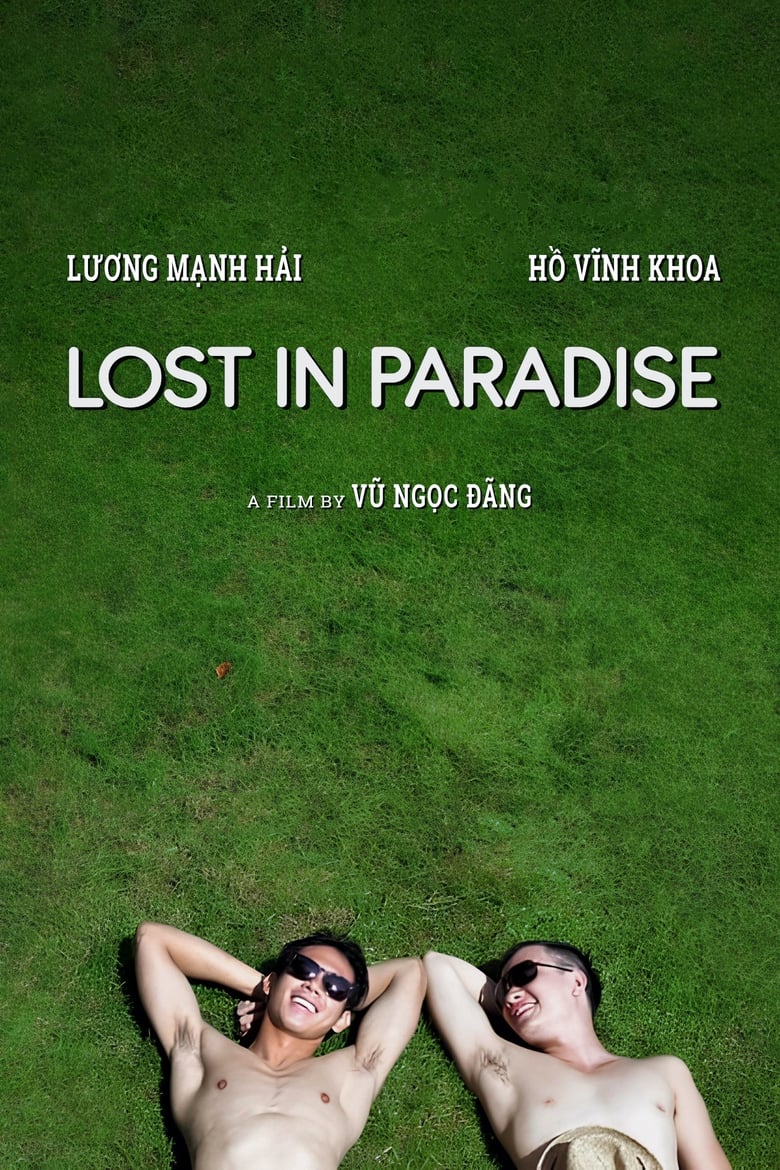
Khoi, a naive twenty-year-old, travels to Ho Chi Minh City from the countryside to begin a new life. It's his first time in the big city and he's looking for a place to live. He befriends Dong, a handsome extrovert who offers to share his apartment. When Khoi goes to check the place out, he meets Lam, who also appears to be living there. Khoi decides to stay, but while he showers, Dong and Lam - who turn out to be boyfriends - run off with all his cash and belongings.
Overall Score
Good
Category Breakdown
LGBTQ+ Representation
The film centers its narrative on a community of queer individuals and non-heteronormative identities. It depicts same-sex intimacy and queer domesticity as central to the characters' lived realities rather than treating them as peripheral.
Gender Representation
Gender is explored through transactional power dynamics and the vulnerability of sex work. While it showcases agency within an urban underworld, the portrayal often highlights the systemic exploitation of female characters.
Racial & Ethnic Diversity
The film offers a localized, non-Western perspective on urban struggle within Ho Chi Minh City. It avoids Western-centric homogeneity by focusing on specific Southeast Asian socioeconomic landscapes and marginalized subcultures.
Religious & Cultural Diversity
The narrative critiques traditional social and economic structures by prioritizing the subjective morality of those on the fringes. It frames characters through their struggle for survival rather than moral condemnation.
Disability Representation
There is insufficient evidence to provide a definitive score regarding visible or invisible disabilities within the film.
Strengths
Areas for Improvement
AI Analysis
Lost in Paradise is a significant work of social realism that challenges traditional tropes by centering characters at the intersection of poverty and queer identity. The film avoids framing marginalized figures through a lens of moral condemnation, opting instead for a sophisticated exploration of systemic struggle. By focusing on the lived experiences of those on the peripheries of Vietnamese society, the director deconstructs conventional social hierarchies. The narrative provides a nuanced look at identity within a specific Southeast Asian context, prioritizing the survival of the urban poor over institutional stability.
2012

2018

2011

2015

2009

2008
2011

2010

2021

2010

2009

2017
No reviews yet. Be the first to share your thoughts on this movie!
Use the rating form above to leave a star rating and optional review.