
Goering's Catalogue: A Collection of Art and Blood
2021
No user ratings available yet
Representation score: 2.2 out of 10
Representation Score
Limited
2020
Director
Margarete Kreuzer
Runtime
52 minutes
Average Rating
No ratings yetNew Showbiz Analysis
This documentary serves as a specialized historical study of a single Renaissance masterpiece and its museum provenance. The narrative centers on the legacy of Wilhelm von Bode and the Prussian Art Collections, which naturally prioritize Western art history over social diversity. Because the subject matter is centered on classical European artifacts and institutional curation, the film lacks representation of diverse identities, racial backgrounds, or non-traditional social structures. The focus remains strictly on the academic and preservationist aspects of art history. Ultimately, the work documents established historical hierarchies rather than challenging them, serving a niche interest in art provenance.
Category Breakdown
The documentary does not include any LGBTQ+ characters or stories. It focuses on the history of art acquisition and museum history during the Renaissance and early 20th century.
The main roles are played by male historical figures such as Wilhelm von Bode. While there is a bust of a woman, the story mainly revolves around the male-dominated history of museum leadership and collections.
The film focuses on Western European art history, particularly Renaissance Italy and Prussian Germany. It emphasizes the traditional focus on Anglo-European heritage and classical art collections.
The narrative examines the ethics of art acquisition and museum history. It provides an academic exploration of institutional legacies rather than a critique of Western cultural structures.
There is no indication that disability, neurodivergence, or mental health conditions are part of the narrative in this production.
Present on Screen
Limited or Absent
Official Synopsis
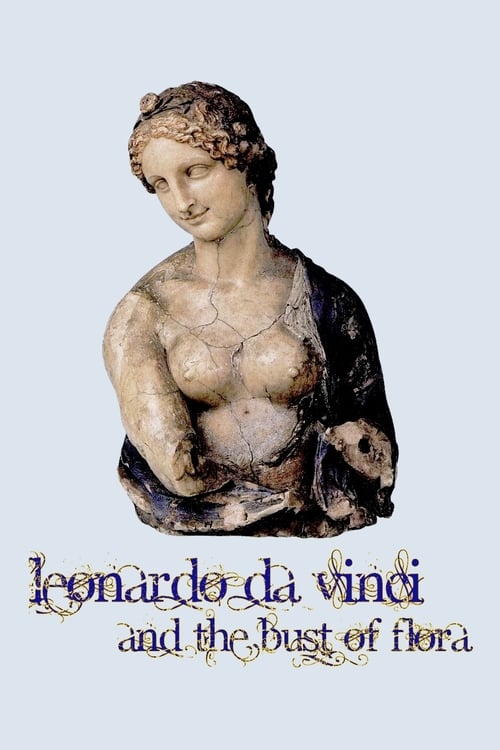
Acquired in July 1909 by art collector Wilhelm von Bode (1845-1929), director general of the Prussian Art Collections and founding director of the Kaiser-Friedrich-Museum, now the Bode-Museum, the Bust of Flora, Roman goddess of flowers, has been the subject of controversy for more than a century.
2021
2021
2021
2016
2021
2018
2021

2018
No reviews yet. Be the first to share your thoughts on this movie!
Use the rating form above to leave a star rating and optional review.