
Spartan
2004
No user ratings available yet
Representation score: 1.3 out of 10
Representation Score
Minimal
1996
RDirector
Chuck Russell
Runtime
115 minutes
Average Rating
No ratings yetNew Showbiz Analysis
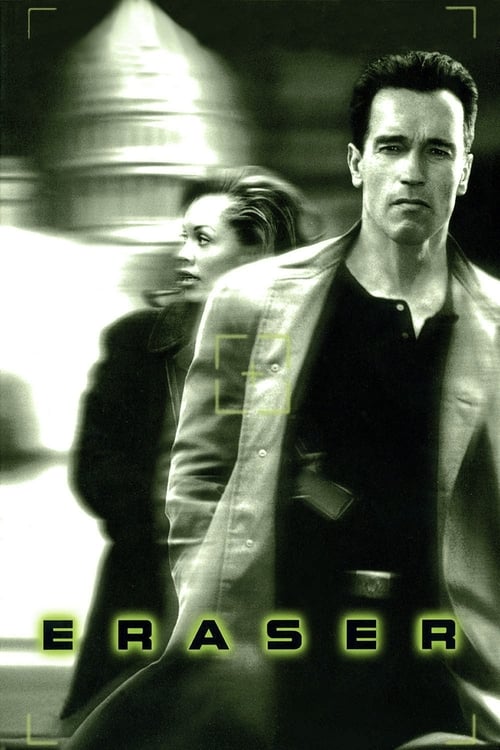
Eraser is a quintessential mid-90s action film that prioritizes established genre clichés and traditional power dynamics. The narrative relies heavily on a singular, hyper-masculine protagonist, which limits the scope of character's ability to drive the story and social representation. While the film offers a cynical view of institutional corruption, it does so through the lens of individualist vigilantism. This approach avoids deeper systemic or multi-layered social critiques, keeping the story rooted in a standard hero-versus-corrupt-system archetype. Ultimately, the film maintains a conventional demographic profile and offers minimal disruption to established social or gender hierarchies.
Category Breakdown
The film adheres to a traditional framework that assumes everyone is straight or cisgender. It does not include LGBTQ+ characters, queer subtext, or any critique of the assumption that everyone is straight or cisgender.
The film reinforces gender hierarchies through a hyper-competent male protagonist. Female characters are primarily portrayed as protected wards or romantic interests, rather than independent agents.
Casting follows a conventional Western demographic model that is predominantly white. Characters of color lack positions of high ability to act or narrative complexity.
The narrative challenges the idea of state benevolence by portraying government agencies as antagonists. However, it does not offer a broader critique of Western dominance.
There are no prominent depictions of physical, sensory, or neurodivergent disabilities. Vulnerabilities are framed through physical protection rather than lived experience.
Present on Screen
Limited or Absent
Official Synopsis
John "The Eraser" Kruger is the top gun in the US Marshall Witness Protection Program; he protects witnesses by erasing their pasts. His latest assignment is whistle-blower Dr. Lee Cullen, who has evidence that her employer, a major arms corporation, is entangled in a conspiracy involving a high-tech railgun, but there is danger lurking closer to home for Kruger, from within his own department.
2004
1997
1993
1998
1998

1986
2007

1997
No reviews yet. Be the first to share your thoughts on this movie!
Use the rating form above to leave a star rating and optional review.