
Susie Q
1996
No user ratings available yet
Representation score: 4.7 out of 10
Representation Score
Minimal
2003
PGDirector
Don McBrearty
Runtime
90 minutes
Average Rating
No ratings yetNew Showbiz Analysis
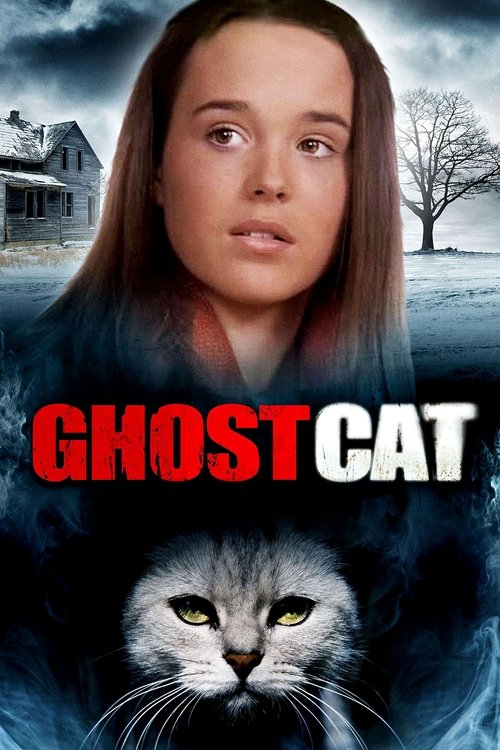
Mrs. Ashboro's Cat is a traditional family thriller that sticks closely to the established genre conventions of its time. The narrative centers on a supernatural domestic mystery rather than exploring complex social identities or multi-layered themes. The film focuses on a traditional patriarchal family structure, emphasizing the relationship between a father and daughter. This setup does not aim to disrupt social hierarchies or offer nuanced representation of underrepresented groups. Overall, the production serves as a standard genre piece, prioritizing the suspense of a haunted house over any meaningful engagement with cultural, racial, or gender diversity.
Category Breakdown
The film does not include any characters with LGBTQ+ identities or queer relationships. The story revolves around a father-daughter relationship set in a supernatural context.
The film centers on a male protagonist and his teenage daughter. The dynamic follows typical early-2000s family programming without challenging traditional gender roles.
The cast appears to be predominantly white, with no indication of diverse racial or ethnic representation in the domestic thriller setting.
The story adheres to conventional Western storytelling about haunted houses and domestic stability. It does not explore themes that question traditional social or religious structures.
There is no mention of characters with disabilities, neurodivergence, or chronic illnesses. The characters' physical or mental health conditions are not addressed.
Present on Screen
Limited or Absent
Official Synopsis
Wes Merritt and his daughter Natalie (14) get more than they bargained for when they buy an old house that was formerly inhabited by the nice old Mrs. Ashboro and her pet cat, Margaret. When strange things start happening in the house, all fingers point to the presence of Margaret, who died the same day as Mrs. Ashboro. But why has she come back to haunt them?
1996

1976
2000

1989

2015
2003

2010
2002
No reviews yet. Be the first to share your thoughts on this movie!
Use the rating form above to leave a star rating and optional review.