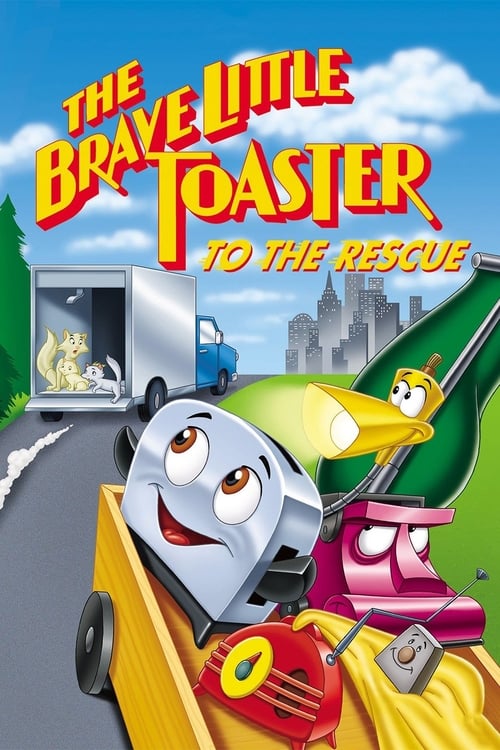
The Brave Little Toaster to the Rescue
1997
No user ratings available yet
Representation score: 0.4 out of 10
Representation Score
Minimal
1998
GDirector
Robert C. Ramirez
Runtime
73 minutes
Average Rating
No ratings yetNew Showbiz Analysis
The film operates within a tightly controlled narrative structure. Since the main characters are inanimate objects, the story cannot explore human identity, social hierarchies, or multi-layered experiences. Representation is constrained by the mechanical nature of the cast. While character traits sometimes mirror gendered archetypes, the focus remains on functional companionship and survival rather than social or cultural complexity. Ultimately, the film emphasizes a conventional, linear tale of loyalty. It avoids systemic critiques or diverse human perspectives, resulting in a narrow, traditionalist viewing experience.
Category Breakdown
The film features anthropomorphic appliances instead of humans, so there is no depiction of sexual orientation or queer romantic dynamics.
Gender is conveyed through personality types and voice tones. Characters like Blanky embody nurturing qualities typical of traditional caregiving roles.
The cast includes only non-human entities. The story focuses on mechanical companionship, omitting any depiction of human racial or ethnic diversity.
The story follows a traditional hero's journey emphasizing loyalty and domestic bonds. It upholds a standard moral framework centered on devotion to a master.
Mechanical breakdowns and physical damage serve as plot devices. These elements do not represent disability or neurodivergence.
Present on Screen
Limited or Absent
Official Synopsis
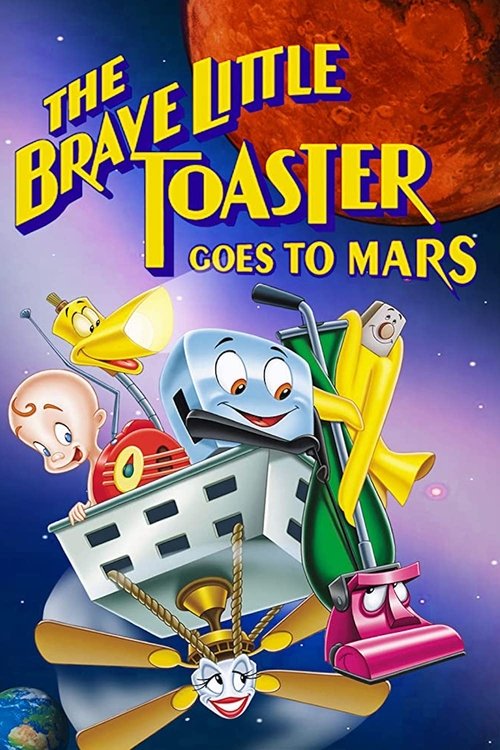
Based on the book by Thomas M. Disch and intended as the third film in the series, this sequel was finished and released prior to 'The Brave Little Toaster To The Rescue'. Whilst trying to protect their new "Little Master" the anthropomorphic appliances set off on an epic adventure and make many new friends along the way.
1997
1987

1999
1982
1998
2006
2003
1996
No reviews yet. Be the first to share your thoughts on this movie!
Use the rating form above to leave a star rating and optional review.