
Les Formidables
2006
No user ratings available yet
Representation score: 3.5 out of 10

Representation Score
Limited
2016
Director
Kwon Jong-kwan
Runtime
120 minutes
Average Rating
No ratings yetNew Showbiz Analysis
Proof of Innocence is a traditional procedural drama that emphasizes legal ethics and narrative tension over disrupting social hierarchies. The story focuses on the mechanics of the justice system and individual morality. Because it centers on a localized South Korean legal context, the film maintains a culturally homogeneous cast and adheres to conventional social norms. It does not utilize multicultural casting or diverse identity narratives to challenge the status quo. Ultimately, the film functions as a character study within a standard framework, lacking representation for LGBTQ+ identities, disability, or significant racial pluralism.
Category Breakdown
The film follows traditional social structures and does not include any queer-coded subtext or narratives involving non-assuming gender matches what was assigned at birth identities.
Gender dynamics focus on the professional struggles of a male lawyer, while female characters play significant roles in the story. However, the narrative does not actively challenge traditional gender hierarchies.
As a domestic South Korean production, the film features a culturally homogeneous cast and primarily serves as a localized character study without promoting racial or ethnic pluralism.
The film operates within established legal and capitalist systems, examining conflicts within the existing system rather than promoting moral relativism or deconstructing the family unit.
The film does not significantly address neurodivergence, physical disabilities, or chronic illness. Characters are defined by their professional roles without engaging with disability or sensory experiences.
Present on Screen
Limited or Absent
Official Synopsis
A disgraced ex-cop, seeking revenge on his treacherous ex-partner, sticks his nose into a high-profile murder case. But in the process, he finds himself in conflict with much more powerful and dangerous forces.
2006
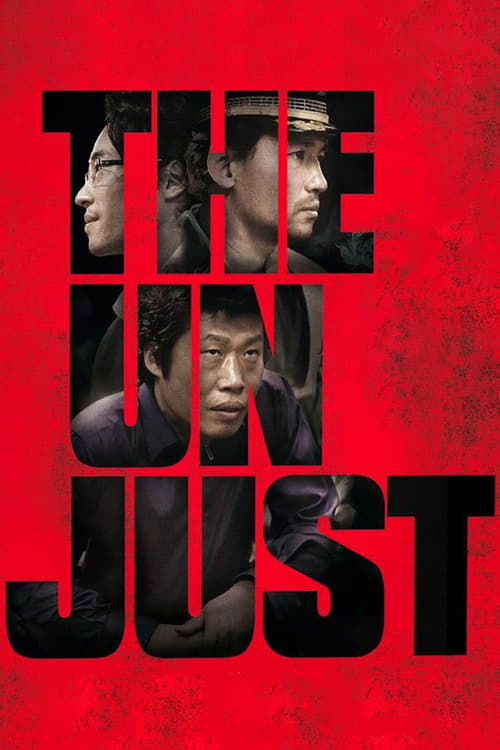
2010

2015
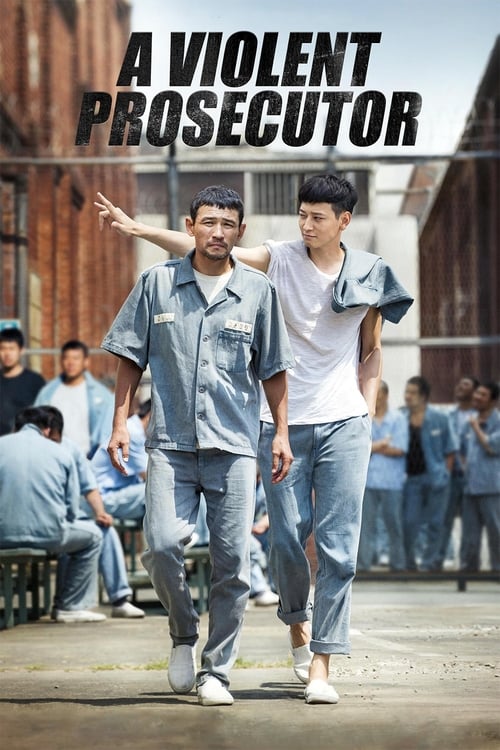
2016

2017
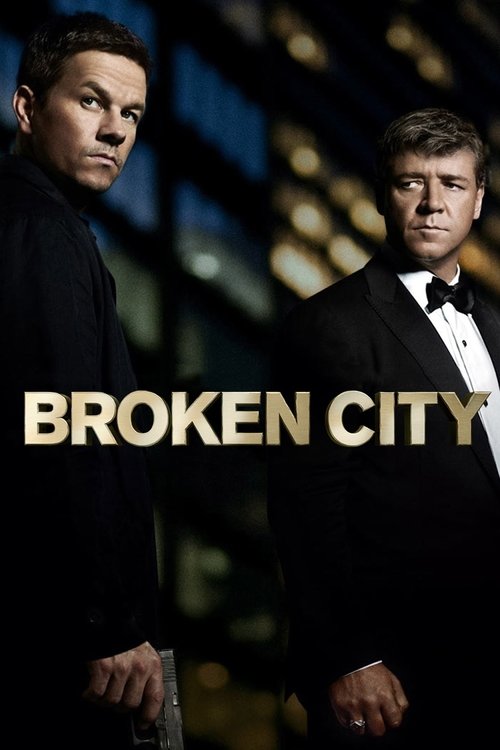
2013
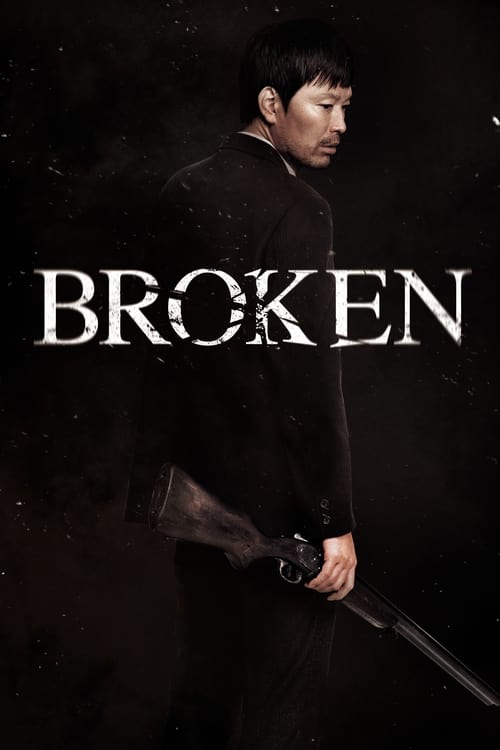
2014
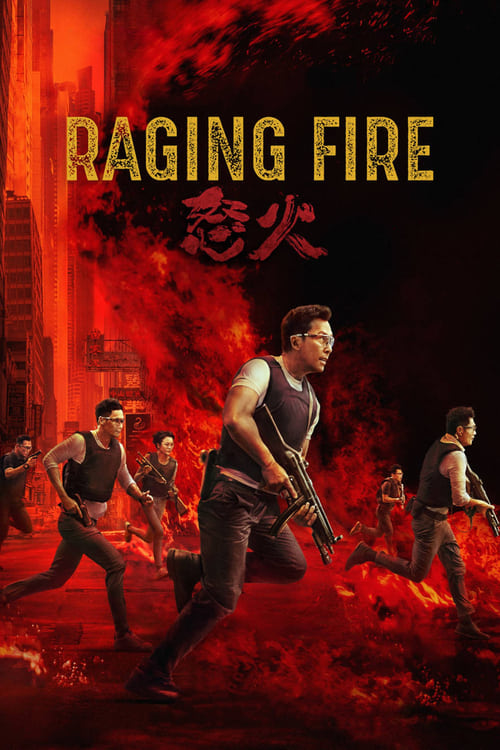
2021
No reviews yet. Be the first to share your thoughts on this movie!
Use the rating form above to leave a star rating and optional review.