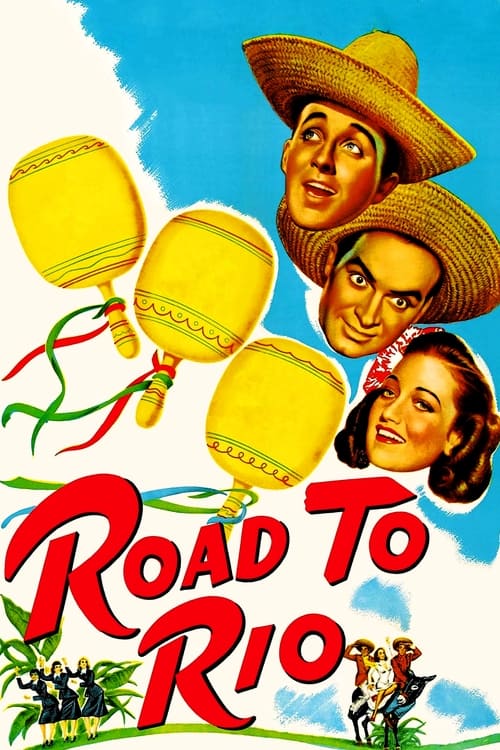
Road to Rio
1947
No user ratings available yet
Representation score: 1.1 out of 10

Representation Score
Minimal
1952
ApprovedDirector
Hal Walker
Runtime
91 minutes
Average Rating
No ratings yetNew Showbiz Analysis
Road to Bali is a typical product of the 1950s studio era, relying on established comedic formulas and traditional social hierarchies. The film serves as escapist entertainment, prioritizing slapstick humor over deeper narrative or identity-focused storytelling. The production uses its tropical setting as a decorative element for humor rather than a space for cultural exploration. This reinforces mid-century Western norms regarding gender, race, and social structure. Ultimately, the film lacks depth in reflecting multiple aspects of identity. It maintains a colonial-era perspective by using local environments as a 'fish out of water' backdrop for its Western protagonists.
Category Breakdown
The film follows strict 1950s conventions where everyone is assumed to be straight or cisgender. There are no non-traditional gender identities represented.
The film emphasizes male characters through physical comedy and competition. Female characters mainly exist as romantic goals or catalysts for the male characters' conflicts.
The Southeast Asian setting is used as a backdrop for Western-style comedy. Local characters are portrayed through romanticized caricatures rather than nuanced ethnic identities.
The story focuses on escapist musical comedy without addressing social or cultural issues. It reinforces a Western perspective where the protagonists navigate and dominate exoticized spaces.
There is no representation of visible or invisible disabilities. The film does not include neurodivergent or physically disabled individuals in its cast.
Present on Screen
Limited or Absent
Official Synopsis
Having to leave Melbourne in a hurry to avoid various marriage proposals, two song-and-dance men sign on for work as divers. This takes them to an idyllic island on the way to Bali where they vie with each other for the favours of Princess Lala. The hazardous dive produces a chest of priceless jewels which arouses the less romantic interest of some shady locals.
1947
1964
1942

1953
1942
1940

1941
1952
No reviews yet. Be the first to share your thoughts on this movie!
Use the rating form above to leave a star rating and optional review.