Dirt
2001
No user ratings available yet
Representation score: 5.5 out of 10
Representation Score
Fair
2002
PG-13Director
David Semel
Runtime
88 minutes
Average Rating
No ratings yetNew Showbiz Analysis
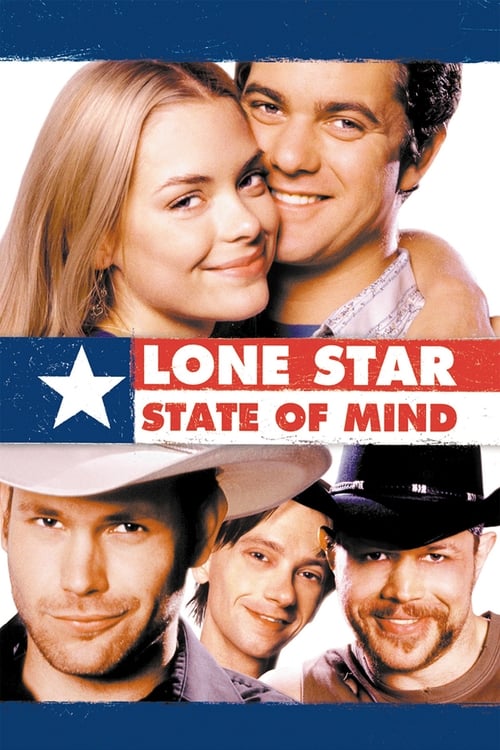
Lone Star State of Mind balances traditional genre clichés with progressive character choices. Its strongest contribution is the normalization of LGBTQ+ identity within a conservative cowboy setting, avoiding ridicule found in similar period films. However, the film struggles with gender and racial depth. Female characters like Baby drive the plot but primarily serve as catalysts for male protagonists. The setting remains largely Anglo-centric and lacks racial diversity. Ultimately, the film's focus on social outcasts and situational ethics prevents it from being purely traditionalist, even if it lacks deep multi-layered complexity.
Category Breakdown
The film features Jimbo, an openly gay cowboy, who is integrated naturally into the social fabric rather than being used for comedic relief.
Baby is shown to have clear ambition and plays a significant role in driving the plot towards her Los Angeles dreams. However, the narrative remains focused on male-driven conflicts and decisions.
The story centers around a relatively homogeneous small-town Texas demographic. There is no indication of significant racial blending within the main character arcs.
The film explores social dysfunction and misfit identities through characters who operate outside conventional morality. It challenges the idea of the ideal small-town American family.
There is no specific evidence regarding the portrayal of visible or invisible disabilities in this film.
Present on Screen
Limited or Absent
Official Synopsis
Earl and Baby, two young lovers with a plan to escape their small Texas town. But when Baby's dim-witted cousin Junior gets tangled up in a whole heap of trouble, Earl has just 48 hours to save the day, rescue Junior and keep his promise to get his Baby to Los Angeles in time for sweeps.
2001

2009
2017

1999
1996
2002

2020
2003
No reviews yet. Be the first to share your thoughts on this movie!
Use the rating form above to leave a star rating and optional review.