The War Bride
2001
No user ratings available yet
Diversity score: 3.1 out of 10
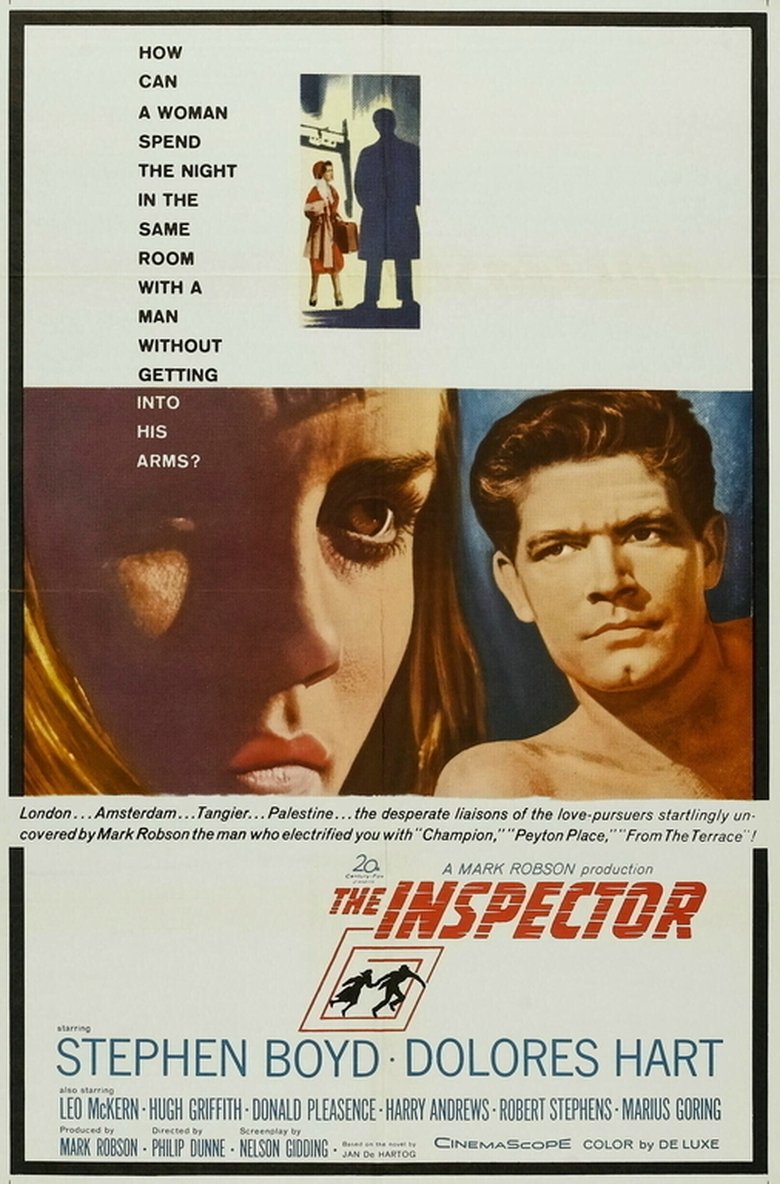
1962
Director
Philip Dunne
Runtime
112 minutes
Average Rating
No ratings yetSynopsis
At the end of WW2, a compassionate Dutch policeman helps smuggle a Jewish woman into British Palestine.
Overall Score
Limited
Category Breakdown
LGBTQ+ Representation
The film lacks any visible presence of LGBTQ+ characters or narratives. It depicts a social landscape through a traditional lens without engaging with queer perspectives.
Gender Representation
Women are primarily situated within domestic or social spheres, serving the plot of village reputation management. Female characters possess limited agency to disrupt established social orders.
Racial & Ethnic Diversity
The cast reflects a highly homogeneous social environment typical of a provincial English village. The narrative focuses on white, Anglo-Saxon class dynamics rather than post-colonial themes.
Religious & Cultural Diversity
The film satirically critiques performative morality and hypocritical social norms. It challenges the perceived stability of traditional institutions by exposing the gap between public persona and private vice.
Disability Representation
There is no significant or meaningful depiction of physical or neurodivergent disabilities. Characters follow standard able-bodied archetypes common to mid-century dramatic conventions.
Strengths
Areas for Improvement
AI Analysis
The Inspector functions as a localized study of human vanity and class-based hypocrisy. While it successfully deconstructs the integrity of social hierarchies, it does so within a very narrow demographic framework. The film prioritizes social satire over the representation of marginalized identities. It remains firmly rooted in the conventional social structures of the early 1960s, offering little room for intersectional perspectives. Ultimately, the narrative's focus on internal village dynamics limits its broader social engagement, resulting in a production that reflects the era's demographic homogeneity.
2001

1949
1958

1948

1956
1999
1956
1955
1988

1970
1936
2000
No reviews yet. Be the first to share your thoughts on this movie!
Use the rating form above to leave a star rating and optional review.