
Rudraveena
1988
No user ratings available yet
Diversity score: 6.0 out of 10
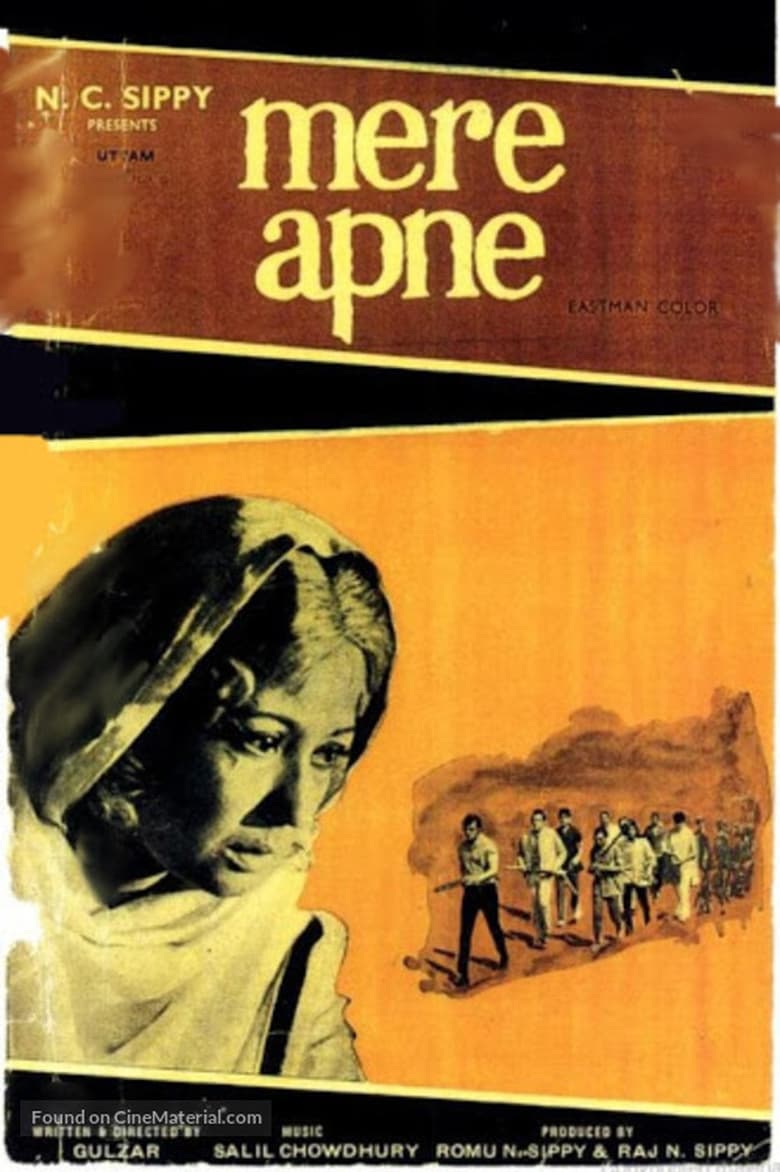
1971
Runtime
164 minutes
Average Rating
No ratings yetSynopsis
Old woman Anandi moves to the city with her relatives and finds out their material side. She develops fondness for two rival street gangs of unemployed youth. These gangs are headed by two former friends turned foes in a time when society, politics and education are all losing their bearings in 1970s India.
Overall Score
Fair
Category Breakdown
LGBTQ+ Representation
The film lacks LGBTQ+ characters or depictions of non-cisnormative identities. The narrative focuses entirely on traditional interpersonal dynamics and the social struggles of the youth.
Gender Representation
Female characters serve as essential emotional anchors but primarily function as counterpoints to male-driven conflicts. Plot agency remains concentrated within male protagonists and their rivalries.
Racial & Ethnic Diversity
The cast is culturally homogeneous, reflecting a domestic Indian production. It offers an authentic exploration of the era's specific socio-ethnic experiences and social stratification.
Religious & Cultural Diversity
The film provides a sophisticated critique of materialism and capitalist structures. It challenges middle-class hierarchies by depicting the breakdown of established social institutions.
Disability Representation
There is no evidence of characters with visible or invisible disabilities serving as central plot devices. No specific agency is granted to characters with disabilities.
Strengths
Areas for Improvement
AI Analysis
Gulzar’s drama is a pointed socio-political critique of 1970s India, focusing on the friction between traditional morality and urban materialism. It succeeds by deconstructing capitalist values and highlighting systemic institutional failures through the lens of disillusioned youth. However, the film remains tethered to the conservative social hierarchies of its era. While the cultural critique is progressive, the gender dynamics and lack of LGBTQ+ representation reflect a more traditional, male-centric narrative structure. Ultimately, the film's strength lies in its ability to challenge the status quo of the state and middle-class stability, even while maintaining conventional depictions of identity.
No reviews yet. Be the first to share your thoughts on this movie!
Use the rating form above to leave a star rating and optional review.