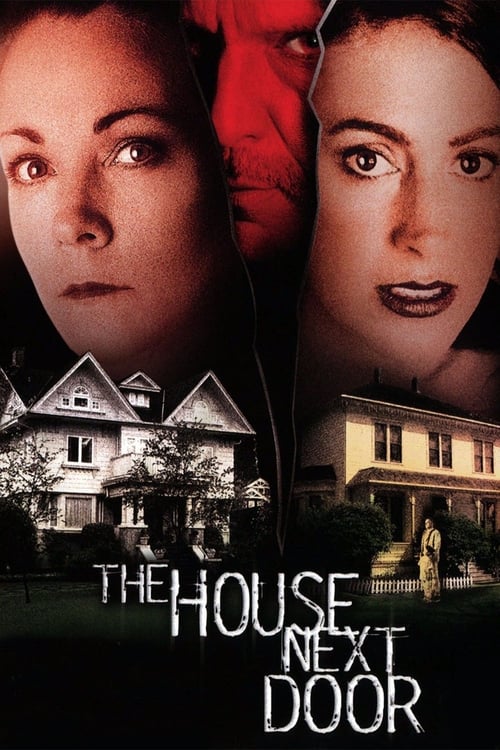
The House Next Door
2002
No user ratings available yet
Representation score: 2.5 out of 10
Representation Score
Limited
2005
TV-PGDirector
Douglas Jackson
Runtime
93 minutes
Average Rating
No ratings yetNew Showbiz Analysis
The film functions as a typical domestic suspense piece that adheres to mid-2000s genre conventions. It prioritizes psychological tension and individual obsession over exploring systemic power dynamics or identity-based conflicts. Narratively, the work lacks representation reflecting multiple aspects of identity and fails to challenge established social hierarchies. It relies on traditional frameworks of the nuclear family and domestic stability. Ultimately, the production lacks significant evidence of diverse identity politics, focusing instead on a conventional character study of obsession.
Category Breakdown
The film does not include any LGBTQ+ identities or same-sex relationships. It focuses on a husband's fixation involving his wife, indicating a strictly heterosexual framework.
The story revolves around a domestic trio consisting of a husband, wife, and an interloper. It follows typical genre conventions without challenging gender roles or providing progressive views on masculinity and femininity.
There is no evidence of a predominantly non-white cast. The setting suggests a homogeneous cast typical of mid-2000s domestic thrillers.
The narrative operates within a traditional Western framework centered on the nuclear family. Conflicts arise from preserving or disrupting this family structure rather than exploring diverse cultural themes.
The antagonist is described as 'disturbed,' which often serves as a thriller cliché for instability. This portrayal risks using mental health issues as a plot device rather than a nuanced depiction of neurodivergence.
Present on Screen
Limited or Absent
Official Synopsis
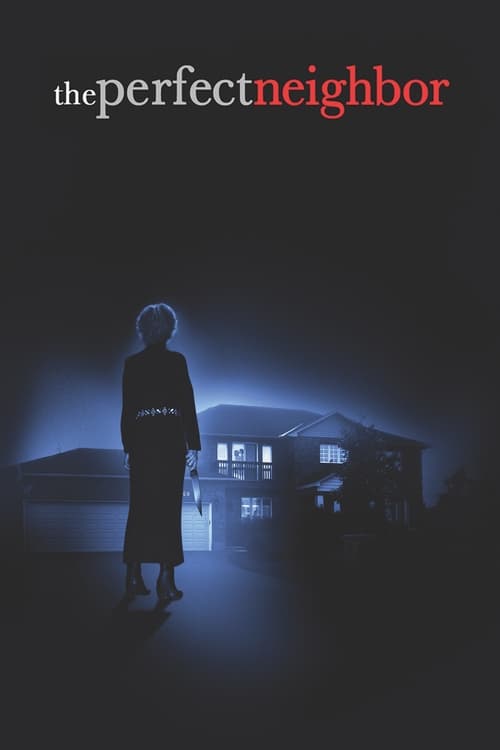
A disturbed new neighbor fixates on another woman's husband.
2002
1990
2005

2010
2006

2009

2006

2005
No reviews yet. Be the first to share your thoughts on this movie!
Use the rating form above to leave a star rating and optional review.