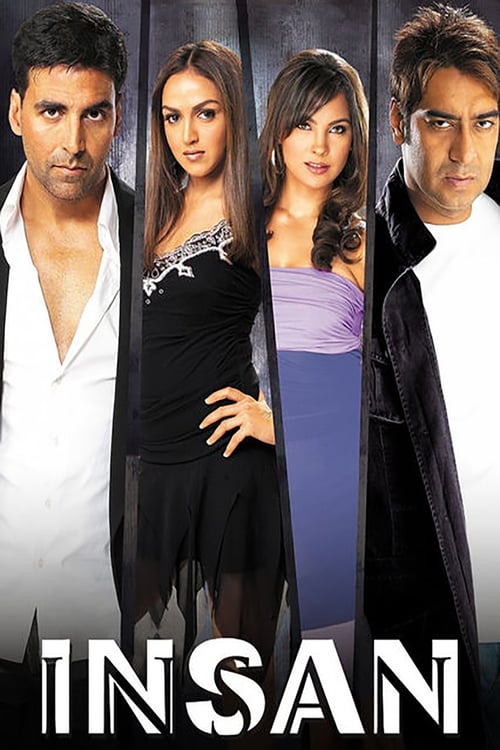
Insan
2005
No user ratings available yet
Representation score: 2.2 out of 10

Representation Score
Good
2017
Director
Gautham Ramachandran
Runtime
111 minutes
Average Rating
No ratings yetNew Showbiz Analysis
Richie stands out from typical action-crime films by using a non-linear, multi-perspective structure. This style moves away from singular-heroic storytelling to explore how systemic failures shape individual lives. The film's progressive value comes from its critique of institutional power. By framing the protagonist as a victim of systemic error rather than a traditional hero, it complicates standard moral binaries. While the film excels in centering women's ability to drive the story and regional identity, it remains silent on LGBTQ+ and disability representation, leaving those specific dimensions of diversity unaddressed.
Category Breakdown
The film does not include any visible representation of LGBTQ+ identities or queer narratives.
Megha, a news reporter, serves as the main driver of the plot. Her role emphasizes professional tenacity over passive observation, challenging traditional gender roles.
As a Tamil-language production, the film centers on a South Asian demographic. It explores regional identities within Thoothukudi, offering localized cultural depth that resists globalized cinematic homogeneity.
The story critiques institutional corruption and systemic injustice. It portrays the police and reform schools as failing institutions, deconstructing the infallibility of authority through a fragmented, subjective truth.
There is no documented evidence regarding the portrayal of physical or neurodivergent disabilities within the narrative.
Present on Screen
Limited or Absent
Official Synopsis
A journalist sets out to uncover the truth behind an incident, through the perspectives of different people, unraveling how they and their lives are intertwined with it.
2005
2018
2016
2013

2019
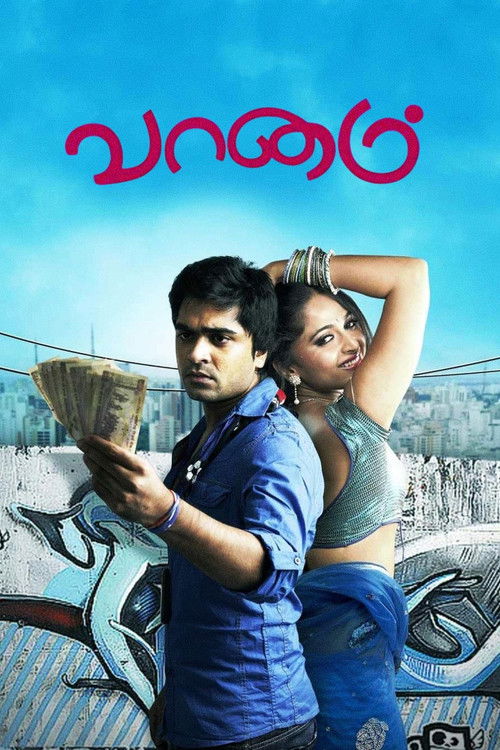
2011

2020

2017
No reviews yet. Be the first to share your thoughts on this movie!
Use the rating form above to leave a star rating and optional review.