
Insecure: The End
2021
No user ratings available yet
Representation score: 7.1 out of 10
Representation Score
Excellent
2026
TV-MADirector
Sam Levinson
Runtime
60 minutes
Average Rating
No ratings yetNew Showbiz Analysis
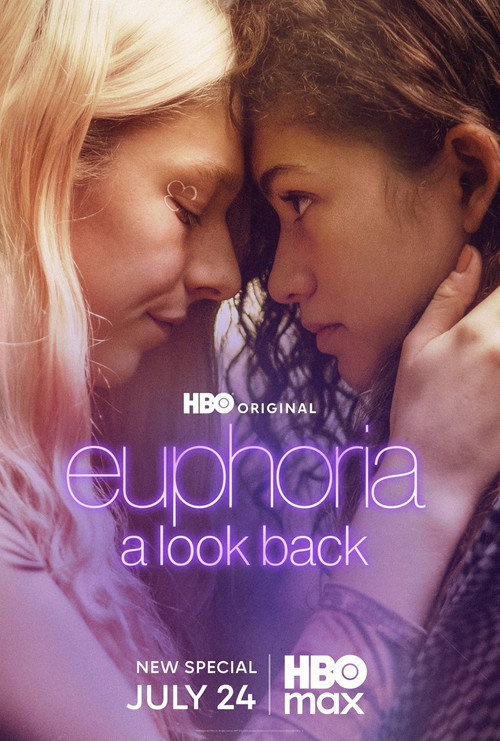
Euphoria: A Look Back leverages its cast’s presence to reinforce the series’ reputation for bold, progressive storytelling. Hunter Schafer’s participation anchors strong LGBTQ+ representation, while female leads like Sydney Sweeney and Alexa Demie ensure gender diversity remains central. The documentary’s focus on personal reflections amplifies these voices without diluting their impact. Racial and cultural diversity are evident in the cast’s composition and the show’s thematic engagement with modern issues like addiction and social media. However, the documentary’s behind-the-scenes nature means these elements are acknowledged rather than deeply explored. Disability representation is similarly implied through mental health discussions but lacks explicit focus. Overall, the film succeeds in highlighting the series’ commitment to challenging norms and exploring complex identities. Its strengths lie in amplifying LGBTQ+ and female perspectives, though it could delve deeper into racial and disability narratives to match its progressive ethos.
Category Breakdown
Hunter Schafer appears as herself, foregrounding the show’s central transgender character and broader LGBTQ+ storylines. The documentary treats these narratives as integral to Euphoria’s identity, giving them prominent, unapologetic space.
Female leads Sydney Sweeney and Alexa Demie are prominently featured, reflecting the series’ focus on young women’s perspectives. Their discussions highlight the show’s commitment to portraying female complexity and interiority.
The cast’s diverse backgrounds mirror the series’ inclusive casting, though the documentary leans toward personal reflections rather than explicit racial narratives. Representation is present but not deeply interrogated.
The film examines Euphoria’s cultural impact, including its critique of addiction and social media. It reflects a progressive, contemporary lens on youth culture and societal pressures without centering specific religious perspectives.
Mental health, a recurring theme in Euphoria, is likely discussed, but specific portrayals of disability are not highlighted. The documentary’s format limits explicit exploration of disability representation.
Present on Screen
Limited or Absent
Official Synopsis
The cast and crew of HBO's Euphoria take an exclusive look back at the critically acclaimed series' origins, evolution, and influences.
2021

2020
2015

2022

2026

2021

2020

2019
No reviews yet. Be the first to share your thoughts on this movie!
Use the rating form above to leave a star rating and optional review.