
The Girl from Paris
2001
No user ratings available yet
Representation score: 3.7 out of 10
Representation Score
Limited
1999
Director
Lotte Svendsen
Runtime
116 minutes
Average Rating
No ratings yetNew Showbiz Analysis
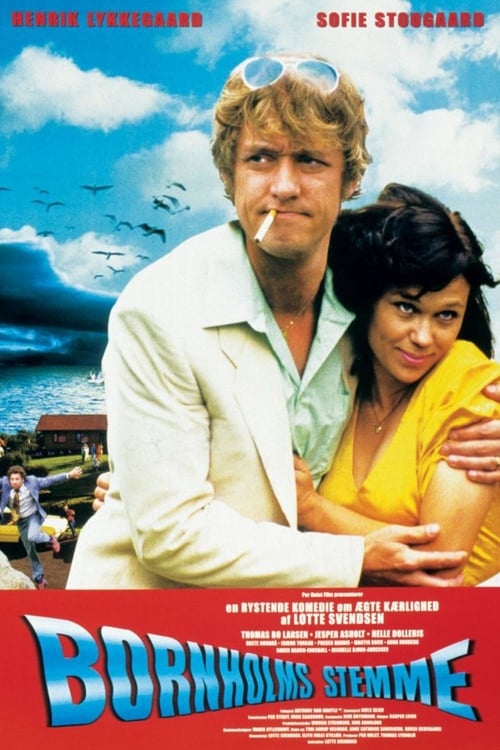
Gone with the Fish is a localized, character-driven drama that aligns with the traditional social structures of the early 1980s. It emphasizes the stability of the nuclear family and the individual's struggle against environmental and regulatory changes. The film does not explore multi-layered complexities or disrupt established social hierarchies. Instead, it focuses on a specific Danish maritime community, limiting its broader demographic representation. Ultimately, the work delves into how economic instability impacts traditional domestic institutions rather than serving as a platform for diverse social representation.
Category Breakdown
The film focuses on the heterosexual marriage of Lars Erik and Sonja. There is no indication of LGBTQ+ visibility or non-traditional gender identities in the story.
The roles adhere to traditional gender norms, with Lars Erik as the provider and Sonja as a housewife. The story looks at how economic crises affect these conventional gender roles.
The setting on the island of Bornholm implies a homogeneous population. The narrative centers on a localized, culturally specific Danish maritime community without showing any racial diversity.
The story explores the tension between individual livelihoods and state-mandated fishing quotas. It portrays the fragility of consumerist lifestyles when confronted with economic and natural volatility.
There is no mention of characters dealing with physical, sensory, or neurodivergent disabilities in the narrative.
Present on Screen
Limited or Absent
Official Synopsis
Based on director Lotte Svendsen's own memories of her childhood on the Baltic island of Bornholm, but though it is set in 1981 the conflicts portrayed do not seem far away. At the start of the film Lars Erik and his wife Sonja are doing well on the Baltic island of Bornholm. Lars Erik is a successful fisherman, Sonja is a traditional housewife, proud of their new house bulging with consumer goods. Their love for each other is the sturdy footing on which their home is founded. Lars Erik employs three men on his trawler, and spends as fast as he earns, so when fishing quotas are cut he faces a crisis. One by one his men leave the boat, but he refuses to give up. Being a fisherman is like being a farmer - you depend on the wealth of mother nature herself. However, mother nature is like romance, highly capricious!
2001

2016
1989

1995

1996

2019

2000

1984
No reviews yet. Be the first to share your thoughts on this movie!
Use the rating form above to leave a star rating and optional review.