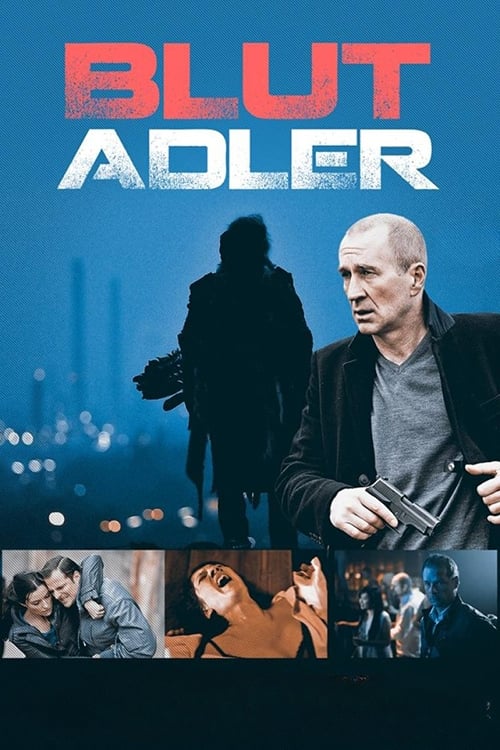
Blutadler
2012
No user ratings available yet
Representation score: 3.3 out of 10
Representation Score
Limited
2015
Director
Nicolai Rohde
Runtime
85 minutes
Average Rating
No ratings yetNew Showbiz Analysis
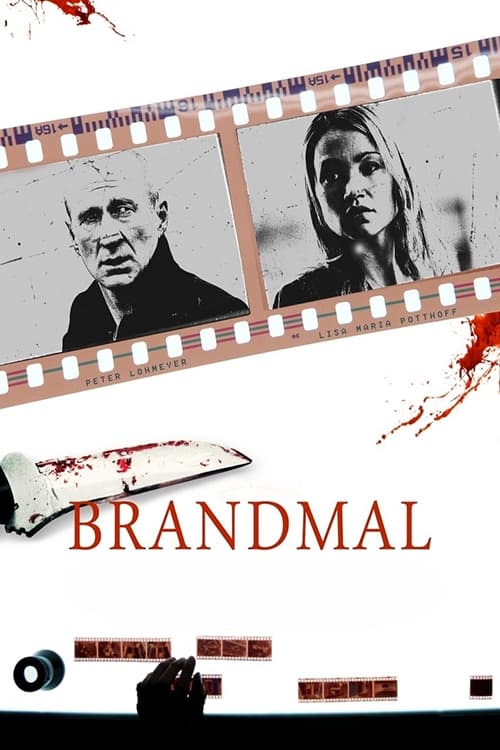
Brandmal serves as a sociopolitical examination of German radicalism rather than a platform for diverse identity representation. It prioritizes the historical and political deconstruction of the 1980s student scene over contemporary demographic breadth. The film excels in its institutional critique, examining the friction between state authority and extremist subcultures. However, this focus comes at the expense of broader representation across gender, race, and LGBTQ+ identities. Ultimately, the thriller remains a localized study of systemic tension. It explores how historical political movements echo through contemporary violence, staying within a relatively narrow demographic scope.
Category Breakdown
The film does not include any visible LGBTQ narratives or non-straight identities. The plot focuses almost entirely on political affiliation and historical radicalism.
The story centers on Jan Fabel, a male protagonist in a traditional law enforcement role. There is no evidence of challenging traditional masculinity or gender hierarchies.
Set in Hamburg, the narrative prioritizes a homogeneous socio-political landscape. It lacks diverse ethnic perspectives within its German historical context.
The film provides a complex critique of institutional stability. It explores how past state actions and radicalized movements create ongoing social instability and subjective morality.
There is no evidence that disability or neurodivergence plays a role in the character arcs or plot development.
Present on Screen
Limited or Absent
Official Synopsis
A series of ritual murders shakes Hamburg. First a songwriter is stabbed and scalped, then a scientist. Investigations by Kriminalhauptkommissar Jan Fabel lead into the left student scene of the 1980s. Both victims belonged to the environment of the terrorist Franz Mühlhaus, who was shot during a police operation. His followers could then start a new life. It quickly becomes clear: the key to the current murders lies in the case at the time.
2012
2010
1998

2005
2019
2009
2012
2013
No reviews yet. Be the first to share your thoughts on this movie!
Use the rating form above to leave a star rating and optional review.