Find another title
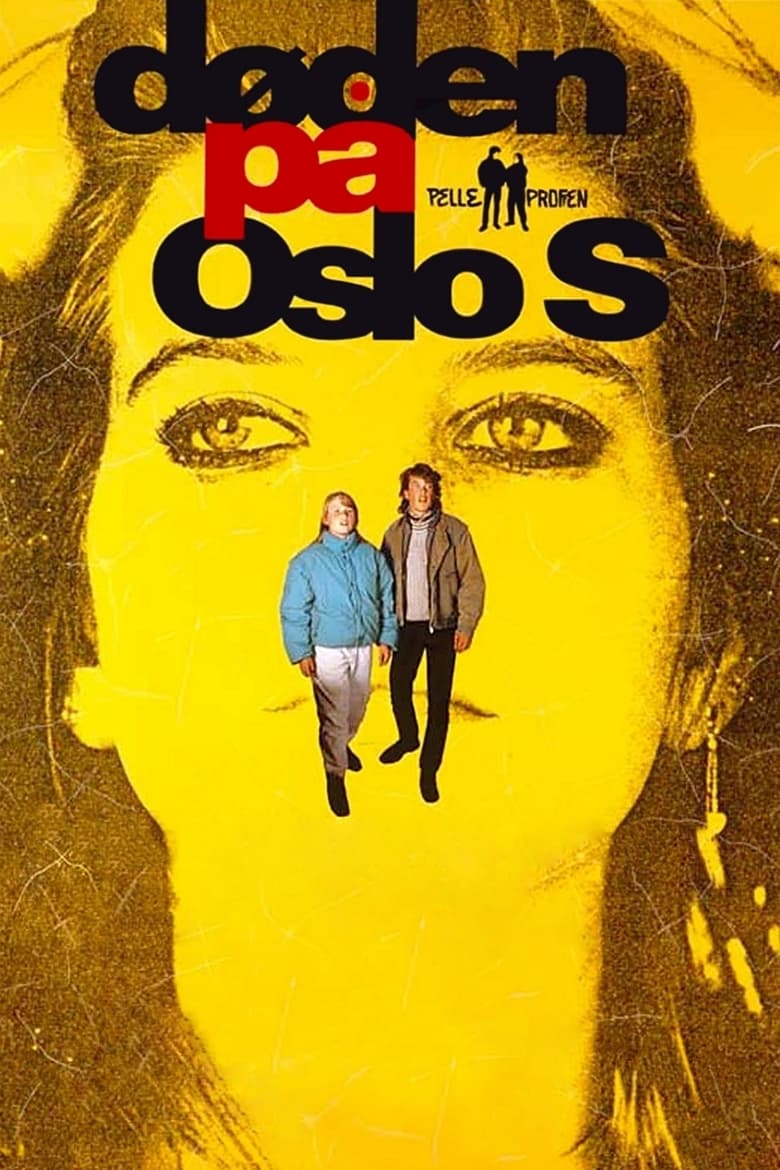
Death at Oslo Central
1990
Director
Eva Isaksen
Runtime
99 minutes
Average Rating
No ratings yetSynopsis
A young boy named Pelle falls in love with the drug addict Lena. Then he and his friend Proffen try to save her from drugs.
Where to Watch
Diversity & Representation
Overall Score
Fair
Category Breakdown
LGBTQ+ Representation
The film centers on a heteronormative romance between Pelle and Lena. There is no visible evidence of queer identities or critiques of heteronormativity within the narrative.
Gender Representation
Lena is granted significant agency despite her struggle with addiction. The story explores female vulnerability and survival within a gritty, non-traditional setting.
Racial & Ethnic Diversity
The narrative focuses on a localized Norwegian social context. It appears to reflect a homogeneous environment with no documented multi-ethnic or non-white cast.
Religious & Cultural Diversity
The film offers a nuanced systemic critique of social instability. It frames drug addiction through human struggle rather than simple moralistic condemnation.
Disability Representation
The portrayal of addiction remains ambiguous. It is unclear if the film treats substance abuse as a chronic health condition or a mere plot device.
Strengths
- Provides a nuanced, non-moralistic lens on the human struggle of addiction.
- Grants significant agency to the female protagonist within a complex social setting.
- Effectively critiques systemic social failures and the vulnerability of youth.
Areas for Improvement
- Lacks visible LGBTQ+ representation or non-cisnormative narrative architecture.
- Features a homogeneous cast with minimal racial or ethnic diversity.
- The portrayal of addiction lacks clarity regarding medical agency versus moral failing.
AI Analysis
Death at Oslo Central is a gritty exploration of urban decay and the vulnerabilities of youth. It succeeds in disrupting traditional, wholesome childhood narratives by focusing on the harsh realities of systemic social failure and substance abuse. However, the film lacks intersectional breadth. The narrative is heavily localized to a Norwegian context, resulting in a lack of racial and LGBTQ+ diversity. While the female lead is central, the story remains largely focused on a heteronormative framework. Ultimately, the film functions as a piece of social realism. It prioritizes a nuanced look at addiction and social safety nets over a diverse or multi-ethnic cast.
Rate this Movie
Reviews
No reviews yet. Be the first to share your thoughts on this movie!
Use the rating form above to leave a star rating and optional review.