
Hot Moves
1984
No user ratings available yet
Representation score: 1.4 out of 10
Representation Score
Limited
1983
RDirector
Curtis Hanson
Runtime
100 minutes
Average Rating
No ratings yetNew Showbiz Analysis
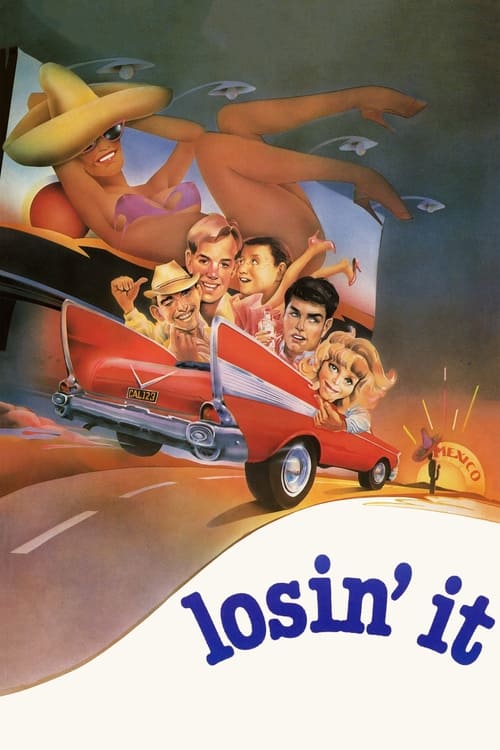
Losin' It is a period-specific comedy centered on male friendship and the social pressures of the mid-1960s. It effectively deconstructs the 'stoic male' stereotype by highlighting the psychological impact of body image concerns and insecurities. However, the film remains tied to the demographic norms of its time. It lacks a deeper exploration of diverse identities and perspectives, focusing instead on a narrow, homogeneous character study. Ultimately, while the film touches on the negative impacts of consumerist beauty standards, it falls short of offering a more complex narrative that includes a wider range of viewpoints.
Category Breakdown
The film follows a strictly heterosexual and cisgender-focused storyline. There is no representation of LGBTQ+ identities or experiences.
The story is told from a predominantly male perspective. While it explores male insecurities, women are portrayed mainly as objects of desire and lack autonomy.
The casting reflects a homogeneous white cast. Despite being set in Tijuana, the film does not include meaningful cross-cultural interactions or give significant roles to characters of color.
The film critiques the obsession with physical perfection and the diet industry. However, it does not deeply explore institutional issues or provide diverse cultural perspectives.
The film addresses themes of body image and physical struggle. However, these elements are often used as comedic devices rather than serious explorations of disability.
Present on Screen
Limited or Absent
Official Synopsis
In 1965, four Los Angeles school friends -- Woody, Dave, Spider and Wendell -- go on a series of misadventures when they head to Tijuana, Mexico, for a night of cruisin', causing trouble, and to lose their virginity.
1984

1980

1969
1995

1985

2021

1988

1985
No reviews yet. Be the first to share your thoughts on this movie!
Use the rating form above to leave a star rating and optional review.