Bitter & Twisted
2008
No user ratings available yet
Representation score: 4.5 out of 10
Representation Score
Fair
1998
Director
Peter Mullan
Runtime
101 minutes
Average Rating
No ratings yetNew Showbiz Analysis
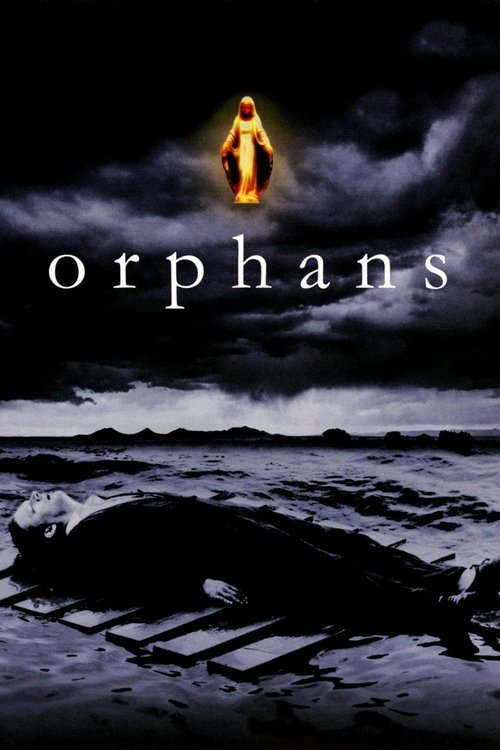
Orphans is a gritty social realist study that prioritizes class and systemic critique over demographic breadth. It succeeds in deconstructing Western socioeconomic institutions and the breakdown of traditional family values, offering a nuanced look at how state neglect impacts individuals. However, the film lacks diversity in terms of race, LGBTQ+ identity, and visible disability. The narrative remains tightly focused on a specific, predominantly white, working-class Glasgow environment, which limits its representation of broader human experiences. Ultimately, the film's strength lies in its cultural and political depth rather than its demographic variety. It trades traditional representation for a profound interrogation of how economic structures shape human behavior.
Category Breakdown
The film follows a traditional framework that assumes everyone is straight or cisgender. It focuses on biological sibling bonds and the immediate aftermath of maternal loss without delving into non-straight relationships or identities.
Masculinity is shown through a lens of survival and dysfunction. The narrative challenges the 'competent patriarch' cliché by depicting male characters struggling with instability and tragedy.
The cast is predominantly white, reflecting the specific demographic of its Glasgow setting. The film emphasizes class-based identity over racial diversity within this local context.
The film provides a sophisticated critique of systemic poverty and capitalism. It challenges traditional family structures and institutional authority, presenting characters navigating complex moral grey areas.
There is no explicit focus on neurodivergent or visible disabilities. Characters experience psychological trauma, but these struggles are framed through socioeconomic hardship rather than disability-centric narratives.
Present on Screen
Limited or Absent
Official Synopsis
A group of four siblings reunite in Glasgow on the eve of their mother's funeral, and the children mourn their mother's passing in a variety of ways—sometimes heartfelt, sometimes bizarre. As a potential thunderstorm threatens to damage the city, the situation compounds itself.
2008
2004
2006
2006

2004
2008
1986
2008
No reviews yet. Be the first to share your thoughts on this movie!
Use the rating form above to leave a star rating and optional review.