
For the Weekend
2020
No user ratings available yet
Diversity score: 3.2 out of 10
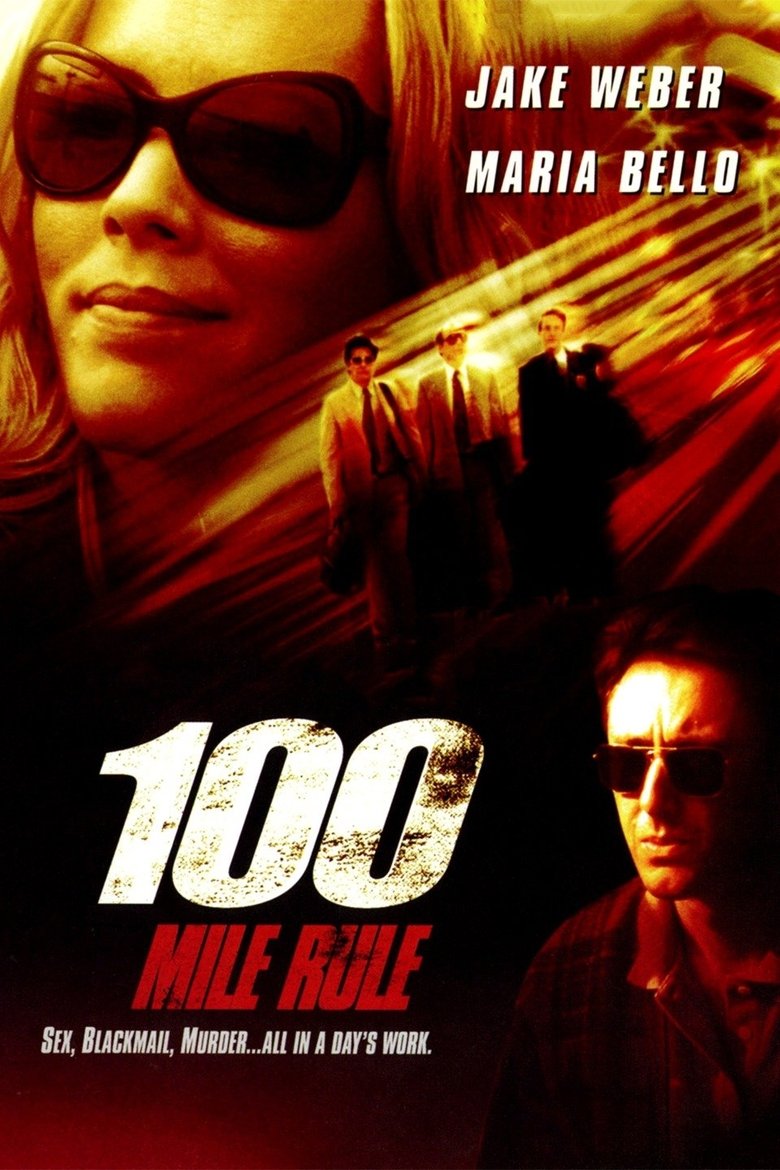
2002
RDirector
Brent Huff
Runtime
98 minutes
Average Rating
No ratings yetSynopsis
A dark comedy about three salesmen from Detroit who come to Los Angeles for a two week seminar and get themselves involved in a world of trouble when their 'fun' snowballs into a roller-coaster ride of secrets, guilt, peer pressure and stupidity.
Overall Score
Limited
Category Breakdown
LGBTQ+ Representation
The film lacks explicit LGBTQ+ characters or narratives. The focus on male salesmen suggests a story centered on traditional masculine social dynamics.
Gender Representation
The plot centers on a male-dominated cohort of salesmen. While Maria Bello is a key cast member, the primary drivers appear to be the male protagonists.
Racial & Ethnic Diversity
The ensemble includes Nick Chinlund and Tony Perez, providing some ethnic diversity. However, the core narrative lacks evidence of exploring racial dynamics or subverting traditional casting.
Religious & Cultural Diversity
The story examines individual morality and peer pressure within a capitalist framework. It focuses on personal ethical failures rather than a systemic critique of Western institutions.
Disability Representation
There is no information available regarding the inclusion of characters with visible or invisible disabilities.
Strengths
Areas for Improvement
AI Analysis
100 Mile Rule operates as a standard early-2000s independent dark comedy. The narrative architecture prioritizes interpersonal conflict and character-driven humor over the intentional disruption of social hierarchies or intersectional storytelling. The film leans heavily into traditional archetypes, particularly through its focus on a group of male salesmen. This demographic focus results in a lack of non-cisnormative representation and a narrative centered on conventional masculine social dynamics. While the cast offers some ethnic variety, the film does not appear to use its setting or characters to deconstruct systemic issues like race or capitalism. It remains a character study of individual stupidity and guilt.
2020

2000

2006

2010
2008

1998
No reviews yet. Be the first to share your thoughts on this movie!
Use the rating form above to leave a star rating and optional review.