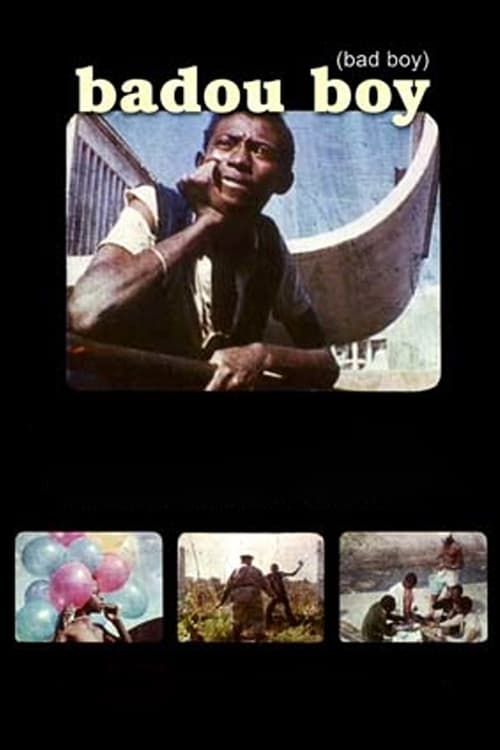
Badou Boy
1970
No user ratings available yet
Representation score: 6.1 out of 10

Representation Score
Fair
1978
Director
Ali Mansour
Runtime
80 minutes
Average Rating
No ratings yetNew Showbiz Analysis
Farda w'lkat okht'ha is a culturally specific comedy that centers on the Tunisian experience. It succeeds in providing a regional perspective that avoids a Western-centric gaze by focusing on the movement of rural peasants toward urban centers. However, the film lacks multi-layered depth. The narrative architecture is heavily male-centric and adheres to the traditional social frameworks of the 1970s, offering little representation for LGBTQ+ identities or gender subversion. Ultimately, the film serves as a study of class and regional identity rather than a vehicle for progressive social representation.
Category Breakdown
The film does not include any explicit LGBTQ+ characters or narratives. It follows a traditional comedic structure focused on two male protagonists within a framework that assumes everyone is straight or cisgender.
The narrative primarily attributes ability to act to a male duo of simple peasants. While female characters may appear in urban hotel settings, the story remains largely male-centric.
The story provides strong representation of North African identity and rural Tunisian life. It prioritizes local cultural perspectives by centering on the journey from the hinterland to the capital.
The film explores the friction between traditional rural lifestyles and modern, Westernized urbanity. It highlights the divide between the working class and capitalist structures in Hammamet.
There is no mention of characters with visible or invisible disabilities within the narrative.
Present on Screen
Limited or Absent
Official Synopsis
The film describes the adventures of two young simple peasants en route to the capital. Their journey begins on a national road where the two friends hitchhike to Tunis. Their mishaps lead them from the olive groves of the Tunisian hinterland to the biggest hotels in the city of Hammamet.
1970

2016

2001
1974
1988

2018
1970
1985
No reviews yet. Be the first to share your thoughts on this movie!
Use the rating form above to leave a star rating and optional review.