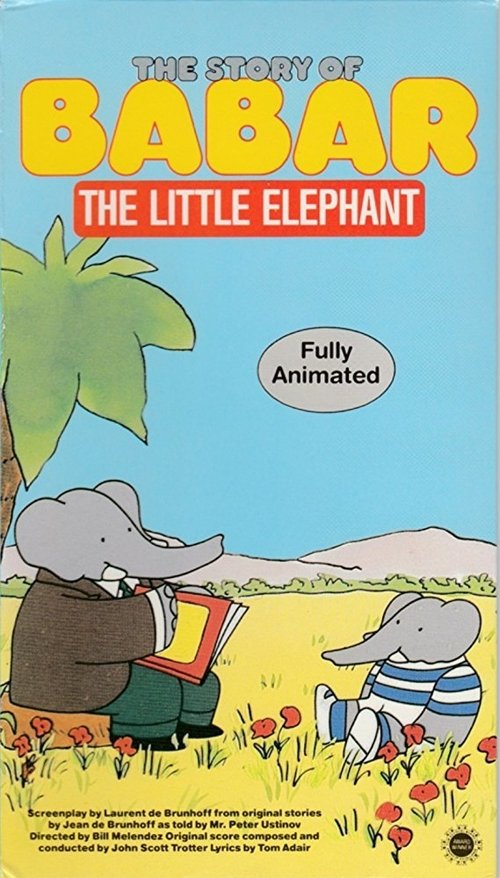
The Story of Babar, the Little Elephant
1968
No user ratings available yet
Representation score: 1.9 out of 10
Representation Score
Minimal
1989
GDirector
Alan Bunce
Runtime
70 minutes
Average Rating
No ratings yetNew Showbiz Analysis
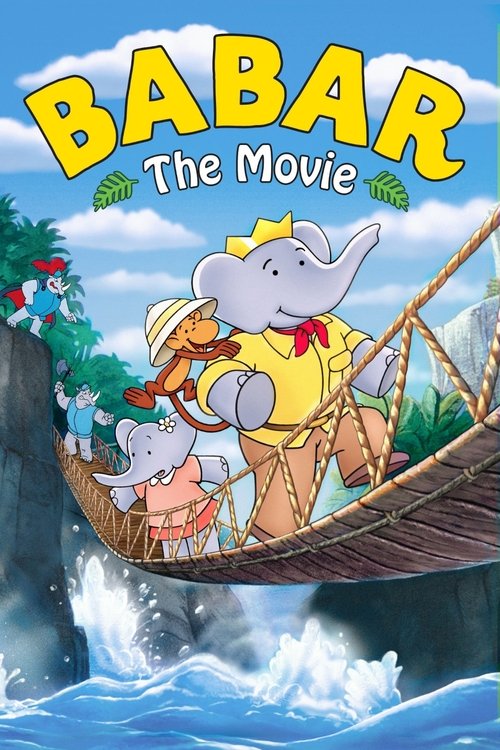
Babar: The Movie is a traditionalist narrative that prioritizes classical fable elements and established social hierarchies. It focuses on reinforcing stability and conventional leadership structures rather than subverting them. The film's use of anthropomorphic characters provides a unique, color-blind environment that avoids human-centric racial stereotypes. However, this zoomorphic setting also means the film lacks specific racial the way different parts of someone's identity overlap or cultural critique. Ultimately, the film operates within a conservative framework, presenting a moralistic worldview centered on assimilation and traditional gender roles, offering a safe but non-subversive experience for young viewers.
Category Breakdown
The film follows a strictly heterosexual and cisgender framework. The central romance between Babar and Celeste is a standard monogamous pairing without any queer undertones.
While Celeste takes control in defending her village, the narrative momentum centers on Babar's leadership. The film reinforces traditional roles where the male protagonist drives the primary changes. Celeste plays a significant role in defending her village, but the story primarily revolves around Babar’s actions.
The anthropomorphic elephant cast bypasses human racial dynamics through a zoomorphic setting. This creates a color-blind environment that avoids human-centric ethnic stereotypes. However, the film does not explore specific racial the way different parts of someone's identity overlap or cultural critique.
The story emphasizes social order and monarchical stability. It explores cultural discovery through a lens of assimilation rather than critiquing institutional power. The narrative highlights social harmony and traditional cultural values without challenging institutional norms.
There are no visible or invisible disabilities portrayed with real depth. Characters function within a standard physical paradigm typical of late-20th-century animation.
Present on Screen
Limited or Absent
Official Synopsis
Children's book authors Jean and Laurent de Brunhoff's most beloved elephant comes to the big screen in this animated family tale. Elephant monarch King Babar tells the tale, that unfolds via flashback, of how a much-younger Barbar and his girlfriend Celeste save her village from the pugnacious rhinoceroses that have come to raid it.
1968
1998
1991
1994
1986
1975

1998
1977
No reviews yet. Be the first to share your thoughts on this movie!
Use the rating form above to leave a star rating and optional review.