
Happily Married
2015
No user ratings available yet
Representation score: 4.7 out of 10
Representation Score
Good
2014
Director
Felipe Cabral
Runtime
20 minutes
Average Rating
No ratings yetNew Showbiz Analysis
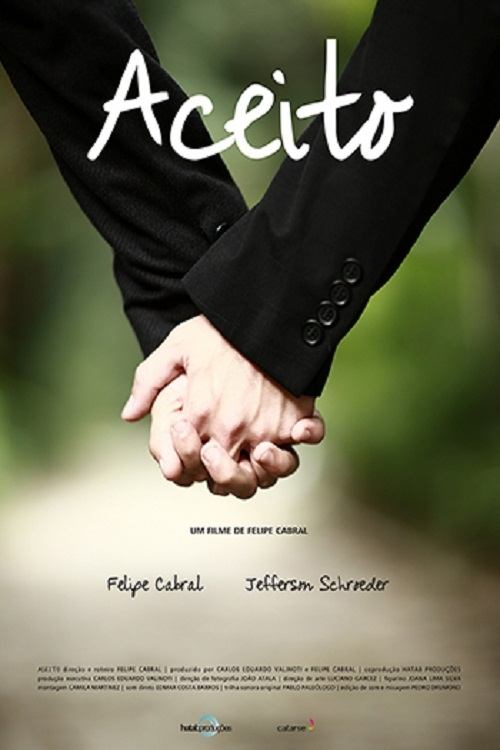
I Do (2014) explores the dynamics of a same-sex relationship within a domestic setting, placing the protagonists' marriage proposal at the heart of its narrative. This approach challenges the historical exclusion of queer identities from marriage, offering a fresh perspective on non-traditional domesticity. While the film excels in representing queer identities, it offers less clarity regarding racial diversity and specific gender subversions. It remains a localized, intimate study of romance rather than a broad social commentary.
Category Breakdown
The film focuses on a same-sex romantic relationship, challenging traditional expectations by making a marriage proposal between two men the main plot point.
The story avoids typical patriarchal themes by emphasizing emotional vulnerability and intimacy over traditional masculine dominance or conquest.
The film presents a localized perspective that steers clear of standardized, white-centric romantic plots. However, there is no indication of a non-white majority cast.
By centering a same-sex marriage proposal, the film validates non-traditional family structures, prioritizing personal emotional truth over traditional or religious constraints.
There are no visible or mentioned depictions of physical or neurodivergent disabilities in the film.
Present on Screen
Limited or Absent
Official Synopsis
Junior prepares a big surprise to ask his boyfriend to marry him, but not everything goes as planned.
2015
2011
2013
2023
2016

2014
2017

2016
No reviews yet. Be the first to share your thoughts on this movie!
Use the rating form above to leave a star rating and optional review.