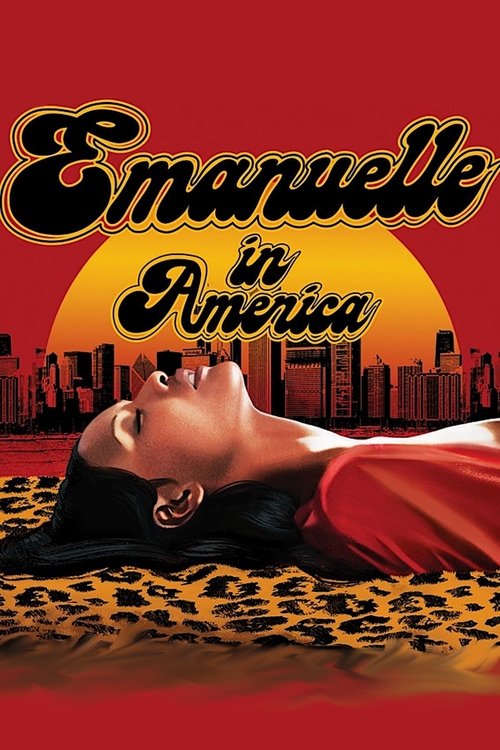
Emanuelle in America
1977
No user ratings available yet
Representation score: 4.2 out of 10

Representation Score
Fair
1978
RDirector
Joe D'Amato
Runtime
89 minutes
Average Rating
No ratings yetNew Showbiz Analysis
Joe D'Amato's film serves as a transitional piece within exploitation cinema, balancing transgressive themes with a surprisingly proactive female lead. The protagonist's intellect and physical presence drive the plot, subverting the standard 'damsel' archetype found in contemporaneous roles. However, the film is limited by its Eurocentric lens and the visual language of 1970s exoticism. The reliance on international settings as mere backdrops for a European-led investigation prevents a deeper integration of diverse voices. Ultimately, the work explores the tension between individual ability to act and the predatory nature of globalized criminal networks, though it remains tethered to the era's specific clichés of objectification and colonialist perspectives.
Category Breakdown
The film does not include any LGBTQ+ characters or non-straight relationships. It focuses on heterosexual dynamics and includes voyeuristic elements without any queer-coded subtext.
Emanuelle has a high level of ability to act, acting as an active investigator rather than a passive victim. However, the film heavily sexualizes the female form, creating a tension between her autonomy and objectification.
Despite the film's setting spanning Kenya and Southeast Asia, the cast remains predominantly European. Local populations often serve as an exotic backdrop for the Western protagonist's journey, reflecting colonial-era cinematic perspectives.
The narrative critiques systemic corruption and the commodification of human life within global black markets. This focus suggests a skepticism toward established power structures and unregulated international capitalism.
There are no significant depictions of visible or invisible disabilities that impact the narrative arc.
Present on Screen
Limited or Absent
Official Synopsis
Emanuelle returns to Kenya, trying to get an interview with a foreign gangster who's taken refuge in the African countryside while still operating an international criminal network.
1977

1979

1977

2010
1959

2009

2015
2003
No reviews yet. Be the first to share your thoughts on this movie!
Use the rating form above to leave a star rating and optional review.