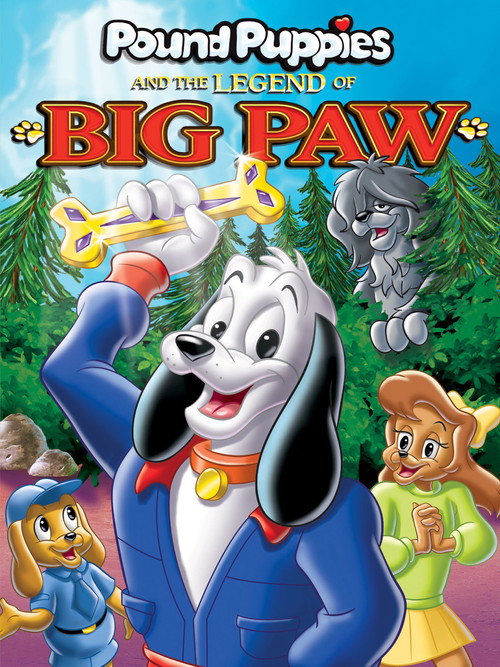
Pound Puppies and the Legend of Big Paw
1988
No user ratings available yet
Representation score: 3.5 out of 10
Representation Score
Limited
1985
TV-YDirector
Alan Zaslove, Ray Patterson
Runtime
40 minutes
Average Rating
No ratings yetNew Showbiz Analysis
The film is a product of mid-1980s episodic animation, prioritizing conventional storytelling and moral clarity. It adheres to the era's standard clichés, focusing on adventure and the importance of finding a home. Representation is limited by the anthropomorphic setting, which replaces human racial and ethnic markers with dog breeds and class distinctions. The narrative avoids social critique, instead celebrating the integration of characters into established domestic institutions. Ultimately, the work functions as a traditional family feature that maintains social stability. It lacks the intentionality needed to disrupt hierarchies or provide diverse perspectives.
Category Breakdown
The story does not include any non-binary gender identities or same-sex romantic dynamics. Relationships focus on familial bonds and communal friendships.
Violet Vanderfeller drives the plot as a female protagonist. However, her character arc focuses on returning to a traditional domestic role without challenging gender roles.
Characters are defined by breed and social status rather than human ethnicity. The cast remains homogeneous, emphasizing socioeconomic differences such as wealth.
The narrative reinforces traditional social structures and the stability of the family unit. It promotes social cohesion through the restoration of the domestic status quo.
There is no representation of physical, sensory, or neurodivergent disabilities. Characters operate within a standardized physical norm.
Present on Screen
Limited or Absent
Official Synopsis
A female dog from a wealthy family named Violet Vanderfeller is picked up and taken to the city pound, where she meets the gang and discovers their mission of uniting themselves up with homes. The special centers on Violet attempting to reunite with her family, ultimately succeeding.
1988
1972

1979
1963
1980
1986

2004
2005
No reviews yet. Be the first to share your thoughts on this movie!
Use the rating form above to leave a star rating and optional review.