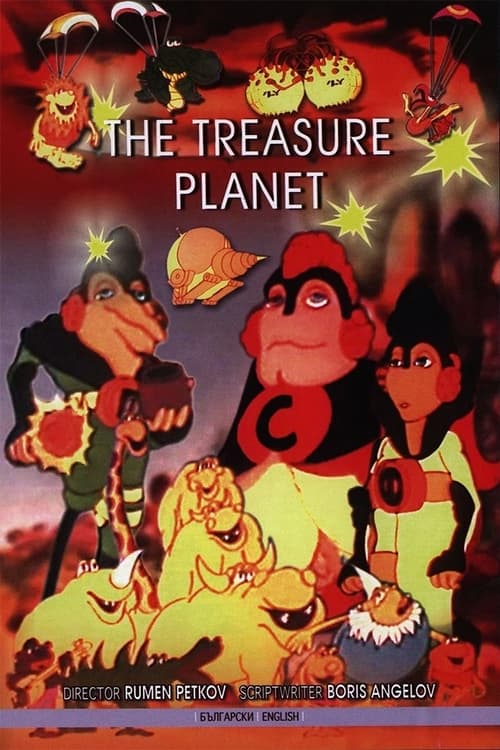
Treasure Planet
1982
No user ratings available yet
Representation score: 2.1 out of 10
Representation Score
Limited
1970
Director
Takeshi Tamiya
Runtime
60 minutes
Average Rating
No ratings yetNew Showbiz Analysis
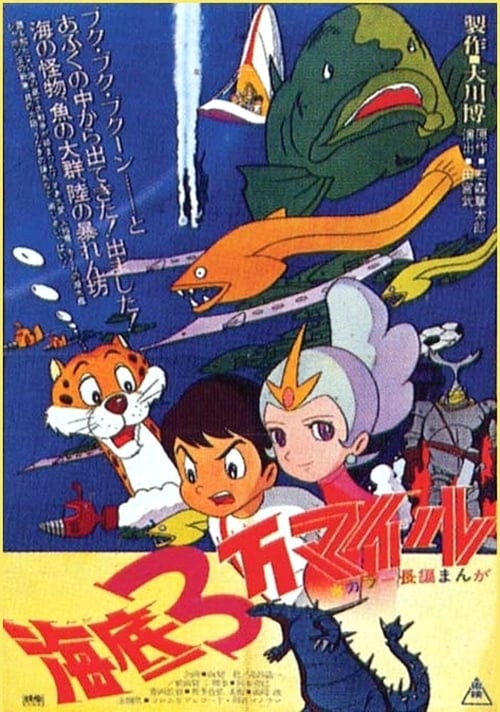
30,000 Miles Under the Sea is a traditional 1970s adventure film that closely adheres to established genre conventions. It centers on a binary conflict between a conqueror and a royal protector, using mythological archetypes to propel the plot. While the film provides a non-Western perspective through its Japanese production, it lacks the narrative complexity necessary to disrupt social or gender hierarchies. Character roles follow predictable patterns typical of the era's science fiction animation. Ultimately, the film serves as a straightforward heroic journey, prioritizing high-stakes action and survival against external threats over diverse representation or the subversion of traditional social roles.
Category Breakdown
The film does not include any characters with non-straight or non-cisgender identities, nor does it feature any same-sex relationships. The story revolves around a male hero and a female princess following a traditional heroic structure.
The narrative relies on a classic gendered dynamic between the male protagonist, Isamu, and the female companion, Angel. Although Angel is central to the mission, the framing suggests a traditional hero-companion relationship.
As a Japanese production, the film offers a non-Western perspective. However, it does not feature a multi-ethnic cast or provide depth to characters reflecting multiple aspects of diversity.
The plot follows a standard good-versus-evil storyline. The themes align with traditional morality and adventure clichés, rather than challenging specific cultural or social institutions.
There is no mention of characters dealing with physical, sensory, or neurodivergent conditions. The narrative focuses solely on high-adventure conflict.
Present on Screen
Limited or Absent
Official Synopsis
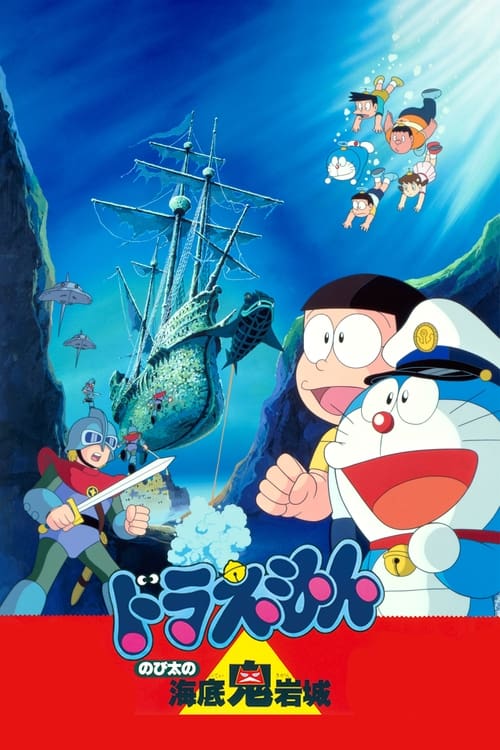
The ruler of the underground world, is planning to conquer the whole world. Riding the fire dragon Isamu and Angel, the princess of the undersea kingdom, try to stop him from destorying their world.
1982

1982

2008
1990
1989

1983
1983
1954
No reviews yet. Be the first to share your thoughts on this movie!
Use the rating form above to leave a star rating and optional review.