
Unmarried Couples: A Comedy That Will Break You Up
1997
No user ratings available yet
Diversity score: 4.9 out of 10
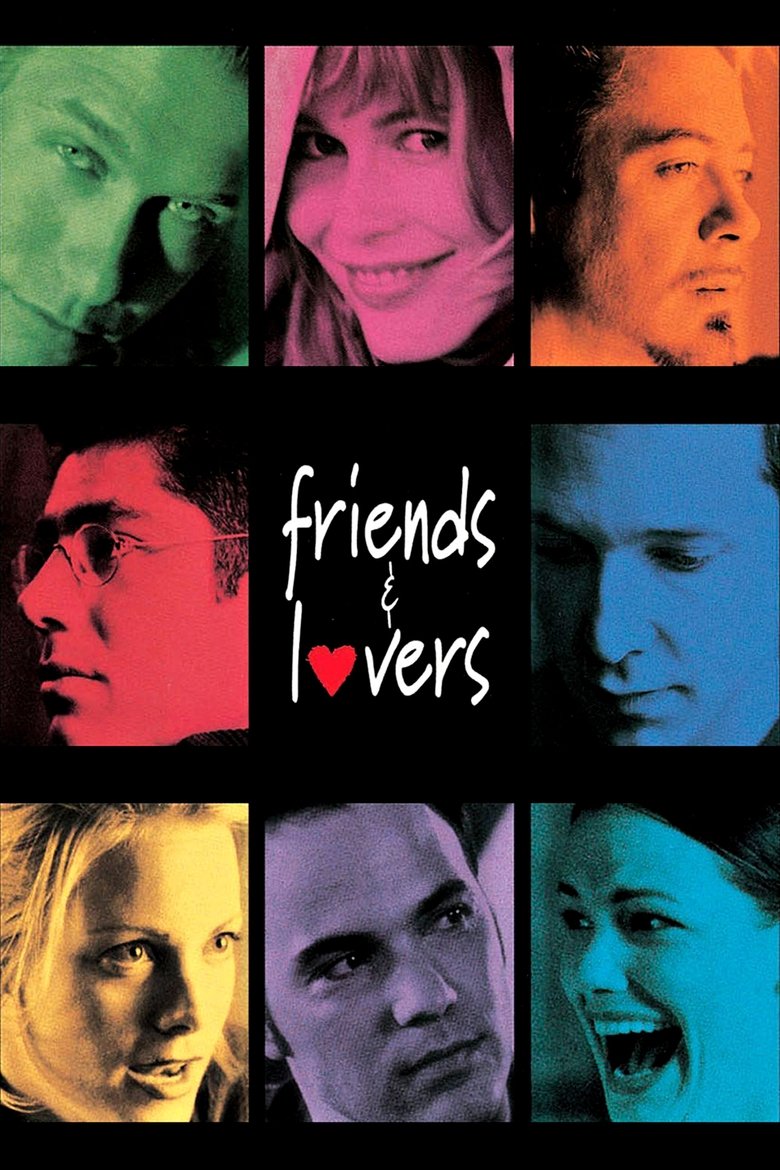
1999
RDirector
George Haas
Runtime
103 minutes
Average Rating
No ratings yetSynopsis
Friends for ten years, a group of twenty-somethings head for the ski slopes as guests of Ian's father. (Ian and dad are estranged because dad worked too many hours when Ian was a lad.) Dad has something to say, but Ian won't listen. Meanwhile, David is gay and virginal; Ian's business partner, Keaton, is unhappy that his sister Jane is pregnant with no plans to tell the father; Lisa is everybody's pal and no one's lover; John, stuck in adolescence, is always on the make. He brings German-born stunner, Carla, and promptly loses her affection to Hans, a fast-talking ski instructor. David meets Manny: they have chess in common. Soon, surprises abound as relationships take new turns.
Overall Score
Good
Category Breakdown
LGBTQ+ Representation
David is explicitly identified as a gay character within the central ensemble. His identity is explored through intellectual connection and personal development rather than through tragedy or conflict-driven tropes.
Gender Representation
The film highlights female agency through Jane’s navigation of pregnancy and reproductive autonomy. However, Lisa’s role as a social glue risks leaning into the unattached female archetype.
Racial & Ethnic Diversity
International presence is established through German characters Carla and Hans. While the ensemble follows a conventional demographic pattern, these characters provide a layer of cultural blending.
Religious & Cultural Diversity
The narrative critiques traditional family structures by focusing on the emotional neglect caused by professional pursuits. It favors a modern, individualistic outlook over traditional patriarchal or familial hierarchies.
Disability Representation
There are no visible or mentioned depictions of physical or neurodivergent disabilities in the narrative.
Strengths
Areas for Improvement
AI Analysis
Friends & Lovers functions as a character-driven study that challenges conventional social expectations. The film succeeds by centering queer identity and prioritizing individual agency over traditional patriarchal hierarchies. The narrative's focus on the friction between professional obligation and emotional connection suggests a sophisticated approach to contemporary social dynamics. It moves away from singular moralities toward a more nuanced understanding of human relationships. While the film offers meaningful visibility for non-traditional identities, the racial and gendered archetypes remain somewhat conventional for its era.
No reviews yet. Be the first to share your thoughts on this movie!
Use the rating form above to leave a star rating and optional review.